
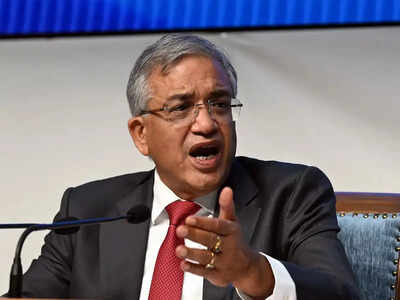
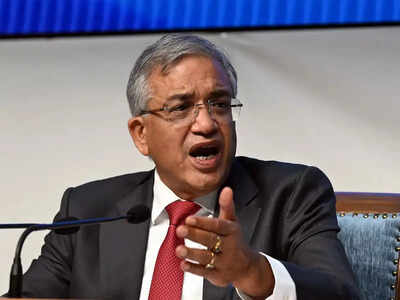
NEW DELHI: The opposition on Friday submitted notices in both the Lok Sabha and Rajya Sabha seeking the removal of Chief Election Commissioner (CEC) Gyanesh Kumar, alleging “partial conduct” in favour of a particular political party and citing six other charges.According to sources, the charges also relate to his handling of the electoral roll revision, first in Bihar ahead of the assembly elections held in November 2025 and later in other states, some of which are poll-bound. He has also been accused of “proved misbehaviour.”The notice was led by the Trinamool Congress (TMC), which governs West Bengal, where assembly elections are expected in April–May. Members of parties belonging to the INDIA bloc—the Congress-led national opposition—signed the notice, along with MPs from the Aam Aadmi Party, though it is no longer part of the alliance.A total of 193 MPs signed the notice—130 from the Lok Sabha and 63 from the Rajya Sabha. As per rules, at least 100 Lok Sabha MPs must sign a notice seeking the CEC’s removal, while the required number in the Rajya Sabha is 50.Opposition parties have repeatedly accused Kumar—who joined the Election Commission (ECI) in April 2024 and became CEC in February last year—of “aiding” the ruling BJP on several occasions, particularly over the ongoing Special Intensive Revision (SIR) of electoral rolls, which they allege could benefit the party at the Centre.Concerns have been raised specifically about the SIR exercise in West Bengal, with TMC supremo and chief minister Mamata Banerjee accusing the ECI of “deleting” genuine voters.Process to remove a CECThis is the first time a notice is being moved seeking the removal of the CEC.Under Article 324(5) of the Constitution, the process for removing the CEC is similar to that for the removal of a Supreme Court or a high court judge, meaning an impeachment can be effected only on the ground of proven misbehaviour or incapacity.Such a motion may be introduced in either House of Parliament and must be passed by a special majority – a majority of the total membership of the House and a two-thirds majority of the members present and voting.After the motion has been admitted in the two Houses, a committee shall be constituted jointly by the Lok Sabha speaker and the Rajya Sabha chairman.The panel will consist of the chief justice of India (CJI) or a Supreme Court judge, the chief justice of one of the 25 high courts, and a “distinguished jurist.”The CEC, too, will get a chance to speak before the committee.Once the committee submits its report, discussions will commence for impeachment.The motion to remove a judge – in this case the CEC – would have to be passed by both Lok Sabha and Rajya Sabha.(With PTI inputs)