


Travel has a tendency to alter your perspective on large things: landscapes, cultures, history. Yet, more often than not, it is small, mundane things that stay with you. Things you did not plan for, did not read about in depth, but things you find yourself noticing over and over. They seep into your daily life when you are on the road, and before you know it, they start to seem…logical. As if they should be a part of every place.This was evident in Nick and Raychel’s stay in India. The Vancouver-based couple, who are documenting their journey on Instagram, did not simply move from one place to another. They noticed how things worked in daily life, how people ate, how they traveled, how they cleaned up after themselves, and even how they finished a meal. And somewhere down the line, they started noticing things that, in their words, “just make sense.”
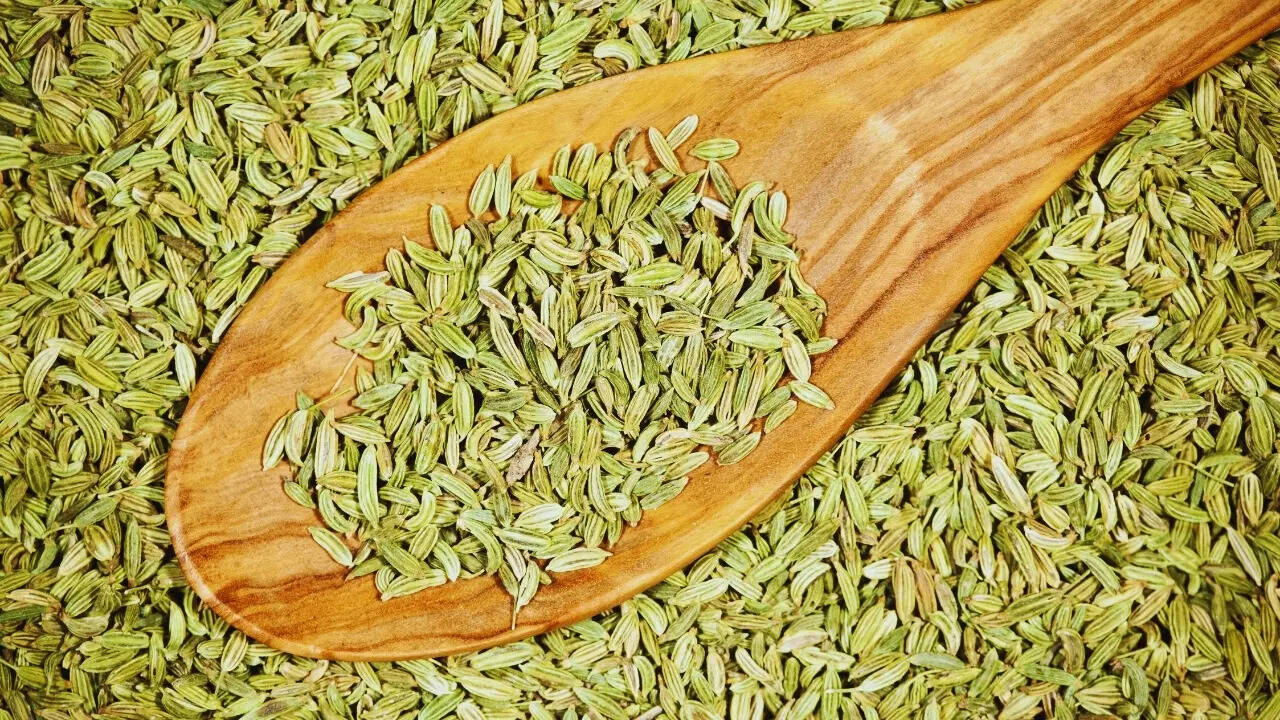
Fennel seeds or saunf
Fennel seeds – the perfect end to a meal
It was often offered at the end of a meal. Many restaurants, just as they were about to leave, would have a small dish of fennel seeds mixed with sugar on the table. Initially, they might have thought it was just a nice touch, something to look at, perhaps even optional. But after a few attempts at eating it, they realized it wasn’t just about the flavor. It was refreshing, good for digestion, and finished the meal in a nice way.

Train travel in India
Trains – They take you everywhere
Traveling through the country also made them realize the interconnectedness of things. India’s railway system was not only vast; it had also become an integral part of the people’s lives. Whether it was a short trip between two towns or a longer trip between two or more states, trains seemed to go anywhere. For Nick and Raychel, this would be a change of pace from what they were accustomed to back home. Instead of constantly planning flights or long drives, they could rely on trains to get them from one place to another, often while watching the landscape slowly change outside their window. It wasn’t just efficient—it felt accessible.
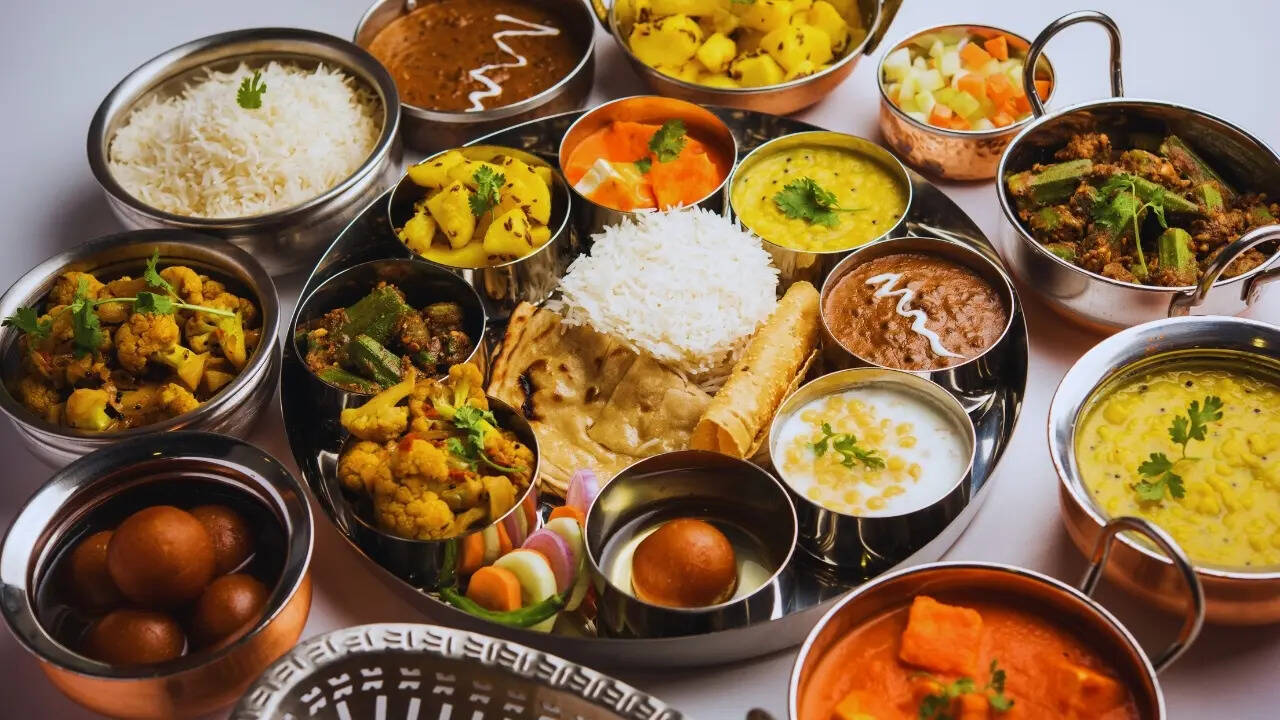
Indian thali
Trying thalis – Because, why not?
Of course, food is an integral part of their experience, but not in the way they had imagined. Indian thalis with their well-organized selection of food had caught their attention right from the beginning. It seemed like a lot—multiple bowls of different textures, colors, and flavors all in one single dish. But as they began eating the thalis, they saw the structure of the food. Each had its own space and balance with the other foods. They did not have to overthink the food they would choose or whether the meal would be complete or not; it already was.
Hand wash stations – Yes
Some observations were even more immediate. In many restaurants, especially casual ones, they saw the presence of hand-washing stations in plain sight. Not in the washroom, but in plain sight, so that one could wash their hands before or after a meal. It was practical, especially in a culture where eating with hands was the norm.
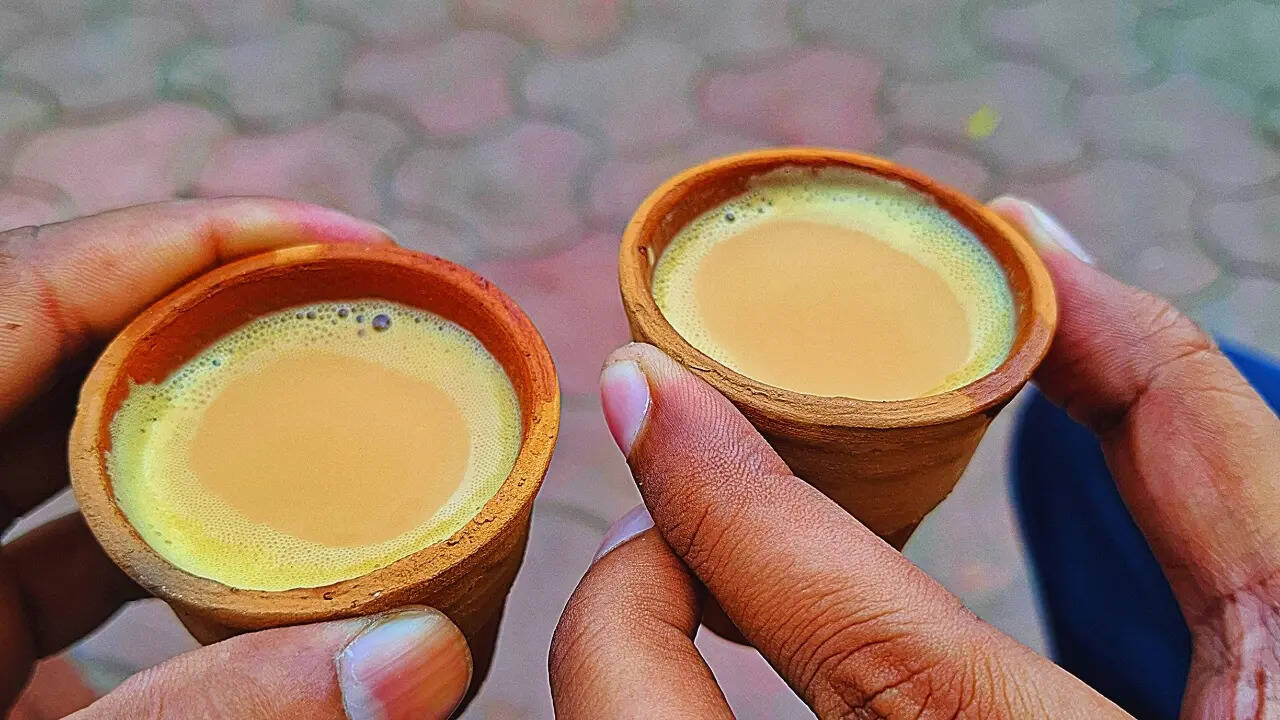
Kulhad chai
Kulhad Chai – Yes
Their tea breaks also got them used to one of the simplest yet most memorable aspects of the experience: clay cups. Chai was not just tea; it was hot tea in small clay cups called kulhads. It was different from the very first sip. There was a flavor to it, a flavor that would not be present in paper or plastic cups. But that was not the most memorable part. Once the tea was done, the cup was not going to be thrown away in a landfill or reused in a manner that would harm the environment. It would go back to the earth it was made of.
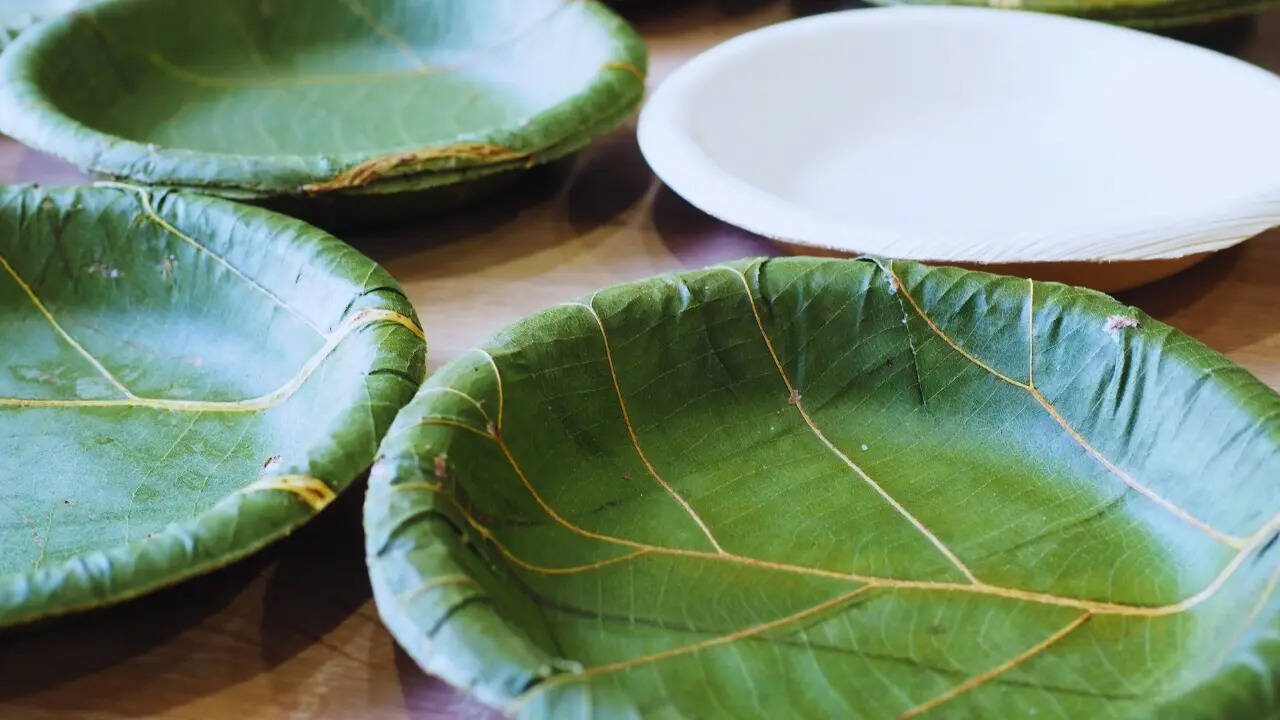
Leaf plates
Leaves for plates
Street food, which they had approached with a mix of excitement and caution, had shown itself to possess its own logic. One of the things they had observed was that many of the street food vendors were serving their snacks on plates made of dried leaves. It was something they observed over the course of their travels. It was definitely not something they had seen with labels of being eco-friendly; it was simply something that was a part of the system.
Vegetarian-friendly travel
Even something as simple as reading the menu was made simpler than they had imagined. One of the things they observed while traveling through different places was the way in which vegetarian food were clearly marked on the menu. It was something that had removed any sort of confusion that they might have faced while eating something new. It was something they had not actually been looking for but observed and it made a difference. What connected all these events together was not only how useful they were, but how they fit so neatly into the way life was lived. There was nothing in them that seemed put in place to impress or cater to visitors. They were just processes and behaviors that had built up over time, based on cultural influences, usefulness, and perhaps an attitude towards life.As Nick and Raychel reflected on their journey, it was not just where they went that mattered. It was not just these little interactions they had over and over again. The end of a meal, taking a train, drinking tea, making a quick stop to use a hand-washing service – they were not individually significant. But they come together to create an idea of a place where many things were done in an unassuming way.And it was this, perhaps more than anything else, that they took away.