
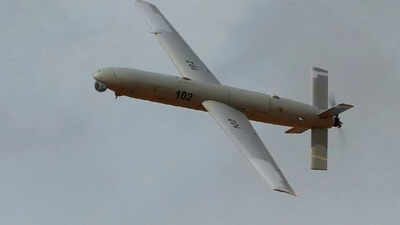
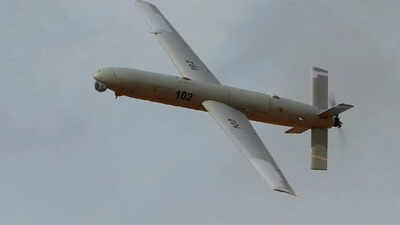
Loitering munitions, also known as ‘suicide drones’, are increasingly becoming an important part of the evolving military equations. These airborne weapon systems combine the capability of operating in an Intelligence, Surveillance and Reconnaissance mode as well as in a strike mode. Both these capabilities now come available in a single platform, thus reducing the length of the kill chain, or the time taken from spotting a target to its destruction. This feature allows these systems to loiter over target areas, identify a particular target and execute a precision strike or just observe the target for extended periods. The integration of these systems into the army reflects a broader shift towards a technology-driven, non-contact warfare.These munitions, unlike conventional or other smart weapons can also be reoriented towards a different target after it has been fired. This family of weapons have been used in combat by the Indian army during Operation Sindoor. The IAF too used the Harop drone acquired from Israel to destroy Pakistani air defence systems. These weapons were inducted in the army after the Balakote air strike.These weapons will supplement traditional artillery and missile systems, which often lack the flexibility to adapt to dynamic battlefield conditions. Loitering munitions being flown by an operator remotely acts as a man in the loop, thus not giving the option to kill to a machine. These systems also continue to feed real time intelligence back to the command station, providing better situational awareness to commanders. This makes these systems particularly valuable in contested environments such as the Line of Actual Control with China or the Line of Control with Pakistan, where conflict escalation ladder and precision targeting can be critical aspects.Operationally, loitering munitions are set to transform India’s artillery regiments. Dedicated drone warfare units such as Shaktibaan regiments and Divyastra batteries are being raised. This reflects growing confidence in these systems. These platforms will complement existing artillery assets such as artillery guns, Pinaka rocket systems, cruise missiles and airpower while attacking targets deep behind enemy lines.Loitering munitions also enhance deterrence by imposing costs on adversaries without exposing Indian forces to direct retaliation. The low cost of these systems, means that most air defence weapons to target these systems would cost as much or more than the projectile that they have been fired against. The ability of loitering munition to disrupt logistics, neutralise command centres, wait for targets of opportunity and degrade air defence networks aligning with modern concepts of non-contact warfare. Their relatively lower cost compared to traditional missiles also makes them a more attractive option for sustained operations. Indian private industry is already producing these systems.As the army transitions towards a modern, technology-driven military posture under the guidelines of the ‘decade of transformation’. By integrating indigenous innovation with developed foreign systems, the army is positioning itself to dominate future battlefields where precision, flexibility and unmanned capabilities will decide outcomes.