
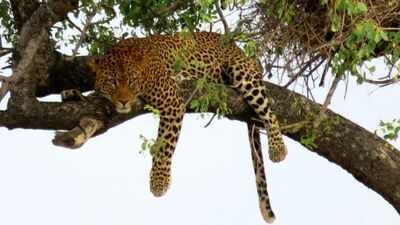
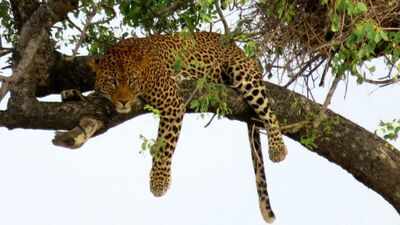
In the far north of Benin, inside Pendjari National Park, a quiet story of resilience is unfolding. It’s not just about wildlife or data points—it’s about big cats holding on in a landscape shaped by conflict, poverty, and courage.Pendjari sits within the vast W‑Arly‑Pendjari (WAP) Complex, a mosaic of protected areas stretching across Benin, Burkina Faso and Niger. At roughly 27,000 square kilometres—about the size of Haiti—it’s one of West Africa’s largest conservation landscapes and a last refuge for some of the region’s most threatened animals: West African lions, forest elephants, Northwest African cheetahs, and a small, distinct population of West African leopards.For years, these leopards have been slipping out of sight.
A vanishing cat in a fragile region
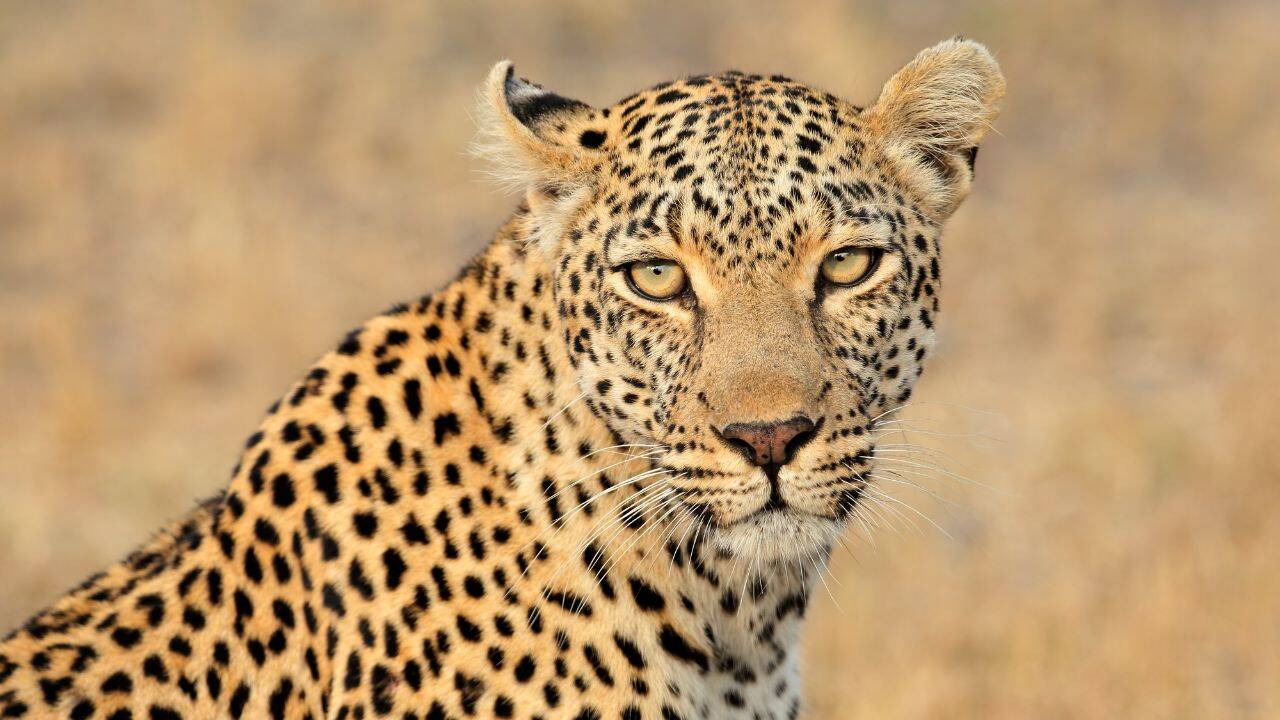
West African leopards are separated from other African leopard populations by geography and politics. In 2025, they were officially listed as regionally endangered after suffering a dramatic 50% decline over the previous two decades. Across all of West Africa, their total numbers are estimated at just 354 individuals.Their strongholds are scattered: Pendjari National Park in Benin; Niokolo‑Koba–Badiar in Senegal; Guinea, Taï and Comoé National Parks in Côte d’Ivoire; and Mole National Park in Ghana. Between these islands of protection, human pressures have grown fast.Population is rising. Land is being cleared, chopped into fragments and converted to farms or settlements. Bushmeat hunting leaves fewer antelope and other prey for leopards to feed on. At the same time, demand for leopard skins, teeth, bones and other body parts—used in illegal wildlife trade and local talismans—adds another layer of danger.In many places, leopards are being pushed to the margins. Pendjari could easily have followed the same path.
Conservation in the shadow of conflict
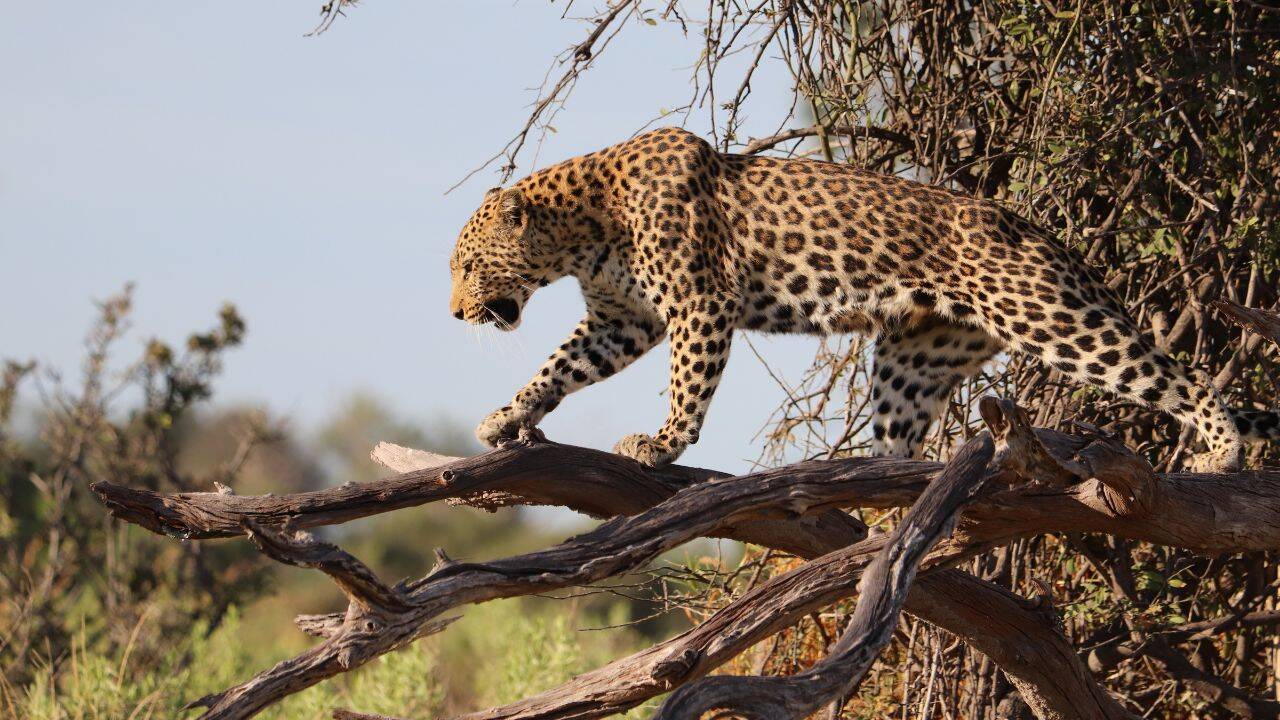
Pendjari is not just remote; it sits inside a region increasingly affected by armed groups operating across the Sahel. Over the past decade, non‑state armed groups have infiltrated parts of the WAP Complex, moving down from Mali and Burkina Faso and using the wilderness as cover.Reports describe extremist organisations—such as Jama’at Nusrat al‑Islam wal‑Muslimin and the Islamic State Sahel Province—tapping into smuggling routes, hiding hostages, moving people, goods and weapons through protected areas. The same dense forests that shelter wildlife can also shelter fighters. For rangers and conservation teams, this has turned ordinary patrols into risky missions.In 2024, the danger became painfully clear when an armed group attacked in W National Park, killing five African Parks rangers and seven members of the Benin Armed Forces. That kind of loss doesn’t just shake morale; it makes every future step in the field heavier and more complex.Yet despite all of this, Pendjari is quietly offering a rare, hopeful headline.
Cameras in the bush, and a surprise in the numbers
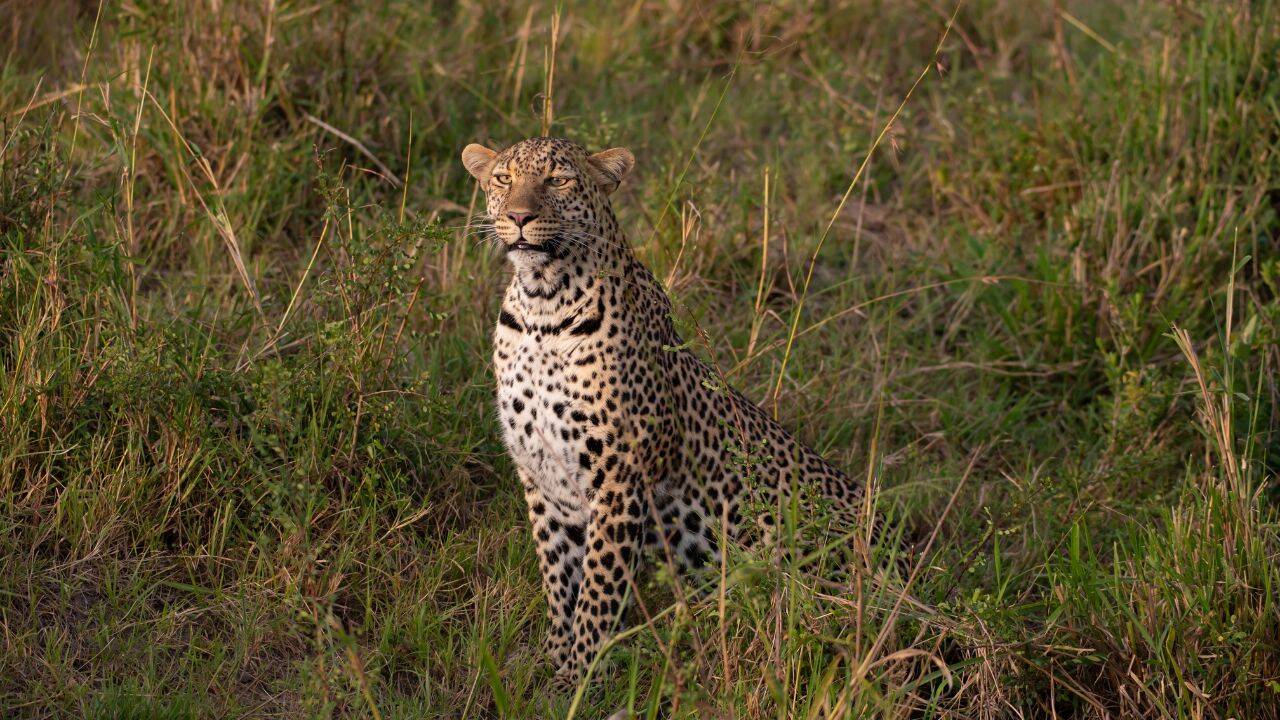
Since 2017, an international team of ecologists, rangers and researchers has been carrying out camera‑trap surveys in Pendjari—the first long‑term leopard study in West Africa. The nonprofit African Parks took over management of the park that year, in partnership with the Benin government, and monitoring became a cornerstone of their strategy.Every two years, the team sets up motion‑activated cameras across the park, aiming to capture images of leopards and other wildlife as they move through the landscape. From these photos, scientists can estimate density: how many leopards are found per 100 square kilometres.Given the security situation, they expected bad news. Attacks intensified in the region around 2022, and many parts of the park became difficult or impossible to access. In 2021, they’d managed to deploy 81 cameras over a wide area. By 2023, that number had dropped to 50 cameras covering only about a quarter of the previous survey zone. Key leopard habitat along the Pendjari River couldn’t be surveyed at all.Despite all that, the numbers didn’t fall. They rose.Between 2017 and 2023, leopard density increased from about 0.62 to 2.08 leopards per 100 square kilometres. Compared to Southern Africa, where leopard densities can be much higher, this is still low—but for a region where leopards hover on the edge of disappearance, even a small rise is significant, reported Mongabay.Marine Drouilly, a biologist with the global wild cat conservation group Panthera and lead author of the study, described the result simply: “It’s a win.” Survival rates appeared moderately high, suggesting a small but recovering population. The team didn’t detect any cubs, which worries them, but the adults are persisting.In a context where bad news is common, this upward trend is a rare piece of hope.
Holding ground when the ground isn’t safe
On the practical side, African Parks and their partners have had to rethink how to work in a place where armed groups are present.Rangers receive training not just in conservation skills but in safety and security, working alongside the Benin Armed Forces.Special camera traps are designed to withstand harsh conditions and stay operational without frequent maintenance—a crucial feature when regular checks are risky.More than 100 rangers have learned how to deploy and manage these devices, turning data collection into a shared responsibility.The team is exploring complementary monitoring methods, such as environmental DNA (eDNA), using fur or faeces to detect leopard presence without needing as many cameras in dangerous areas.At the same time, they’re working on the basics that predators depend on: prey and habitat. In 2024, African Parks began rebuilding key antelope species such as hartebeest, waterbuck, korrigum and kob—animals that leopards, lions and other carnivores need to hunt. They’re restoring water sources, improving vegetation, and trying to reverse overgrazing.Community engagement is another vital pillar. Using tools like the Community Conservation Index, African Parks measures how involved and supportive local people are. By 2025, that engagement level reached about 81%. The organisation supports economic development, listens to community concerns, and includes residents in decision‑making—because conservation that ignores people inevitably fails.As regional operations manager Hugues Akpona put it, insecurity is not just a direct threat; it undermines the whole conservation system, making normally effective strategies harder to implement. Yet he also emphasises that, even within these constraints, their efforts are producing positive results.
Why this small increase matters so much
Across the broader WAP Complex, the picture is not as encouraging.In the Benin sector of W National Park, a 2021 survey failed to detect any leopards.In Niger and Burkina Faso’s parts of WAP, and in Burkina Faso’s Arly National Park, there is little active management; satellite and aerial data show heavy cattle grazing, which erodes habitat and pushes wildlife out.That makes Pendjari’s leopards all the more important. If this park can serve as a safe core, then in a more secure future, animals may have a chance to expand and recolonise degraded areas.Globally, leopards are listed as vulnerable, with many populations in Africa and Asia declining. They are incredibly adaptable—comfortable in savannahs, forests, mountains, even near human settlements—but they are also notoriously elusive. Their secretive nature means they’re often assumed to be “fine” simply because they’re not seen. Conservation scientist Andrew Stein has spent years working on leopard assessments for the IUCN Red List and warns that this assumption is part of the problem.“Because they’re so secretive, the assumption is that they’ll be fine,” he said in response to the new study. “And what we’ve learned… is that they’re not.”For him, the Pendjari results are “really exciting”—not because they signal a full recovery, but because they show what can happen when leopards are given space and wild prey.“One of the things with leopards is that you give them a chance, you give them a little bit of space, and if there’s wild prey available, they can come back,” he said. Pendjari’s story seems to support that.
Beyond leopards: people, stability and shared futures
Ultimately, Drouilly and her colleagues see this work as more than species protection. It’s about creating pockets of stability in unstable regions, where wildlife and communities both have a better chance to thrive.“If you continue to stay on the ground and you continue to protect those species, you can have positive outcomes,” she said. It’s not just about biodiversity for its own sake; it’s about livelihoods, identity, and the possibility that conservation can coexist with human needs—even under very hard conditions.The human interest here lies in the overlap: rangers risking their lives to monitor cameras; scientists stitching together fragments of data; villagers navigating daily realities of conflict, grazing, and survival; and somewhere in the middle of all that, a spotted cat quietly returning to a landscape that could have lost it.When you think about this story of Pendjari’s leopards, what speaks to you more—the resilience of the animals, or the persistence of the people trying to protect them in such a difficult place?