
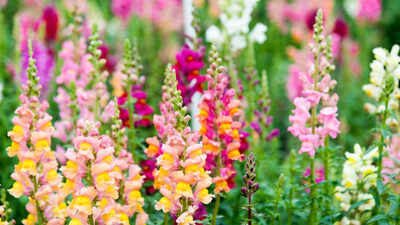
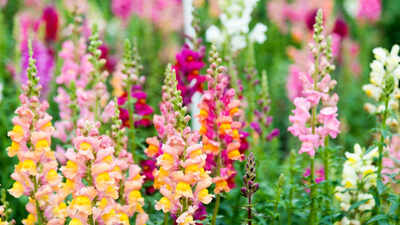
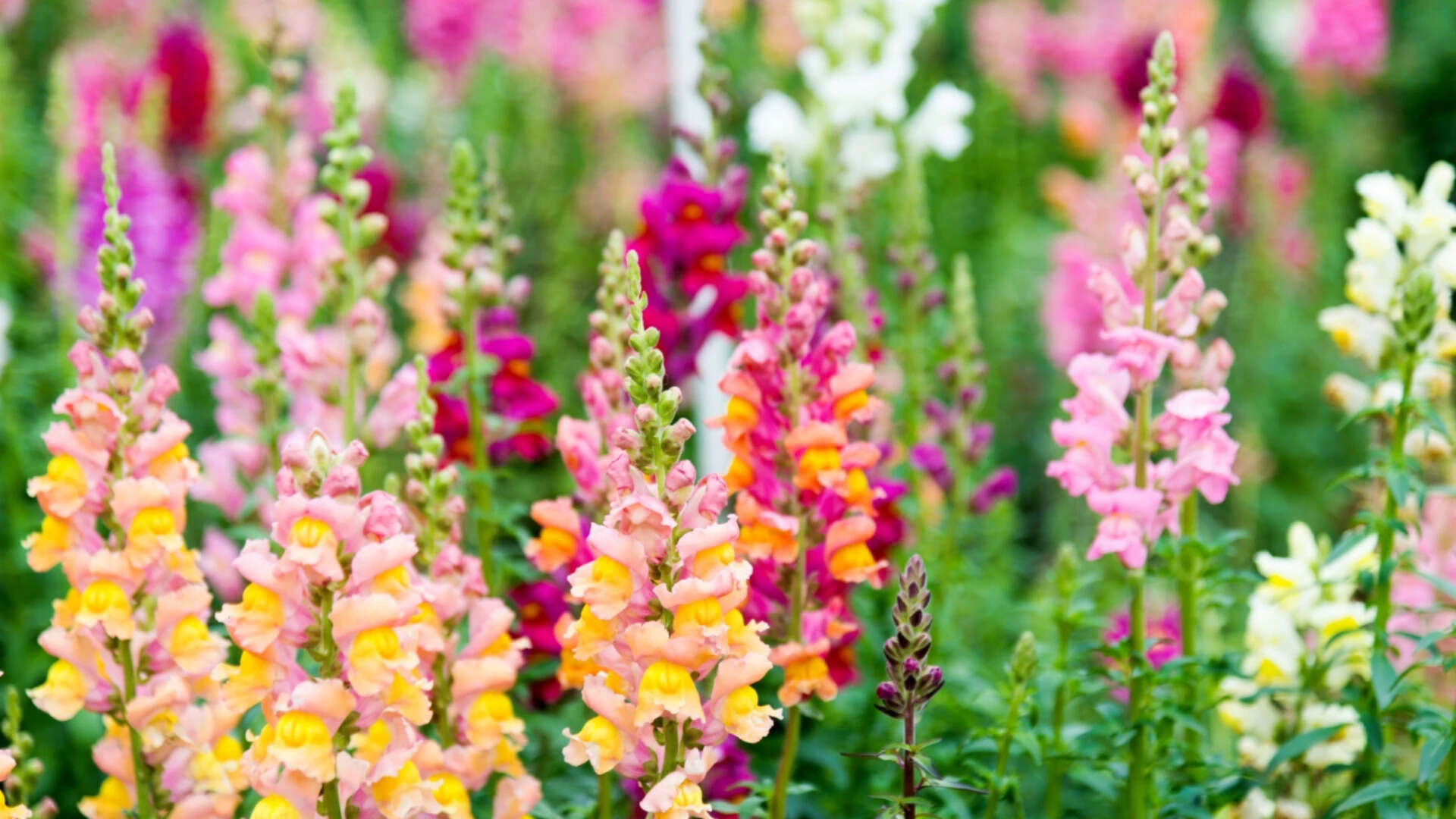
The art of seduction is not exclusive to humans. Animals do it, and so do plants. In the floral world, attraction is a matter of survival. Certain plants paint themselves in colours calibrated so precisely that bees can read them like landing signals, even when human eyes barely detect the difference!A new study published in the journal Science Advances explains how in the Pyrenees, wild snapdragons have turned color scientists of sorts. In the relentless pursuit of attracting bees, these flowers fine-tune their colors. These flowers are extremely careful while calibrating their colors, because even a slight change means the difference between life and death for a gene.
The subtle art of seduction
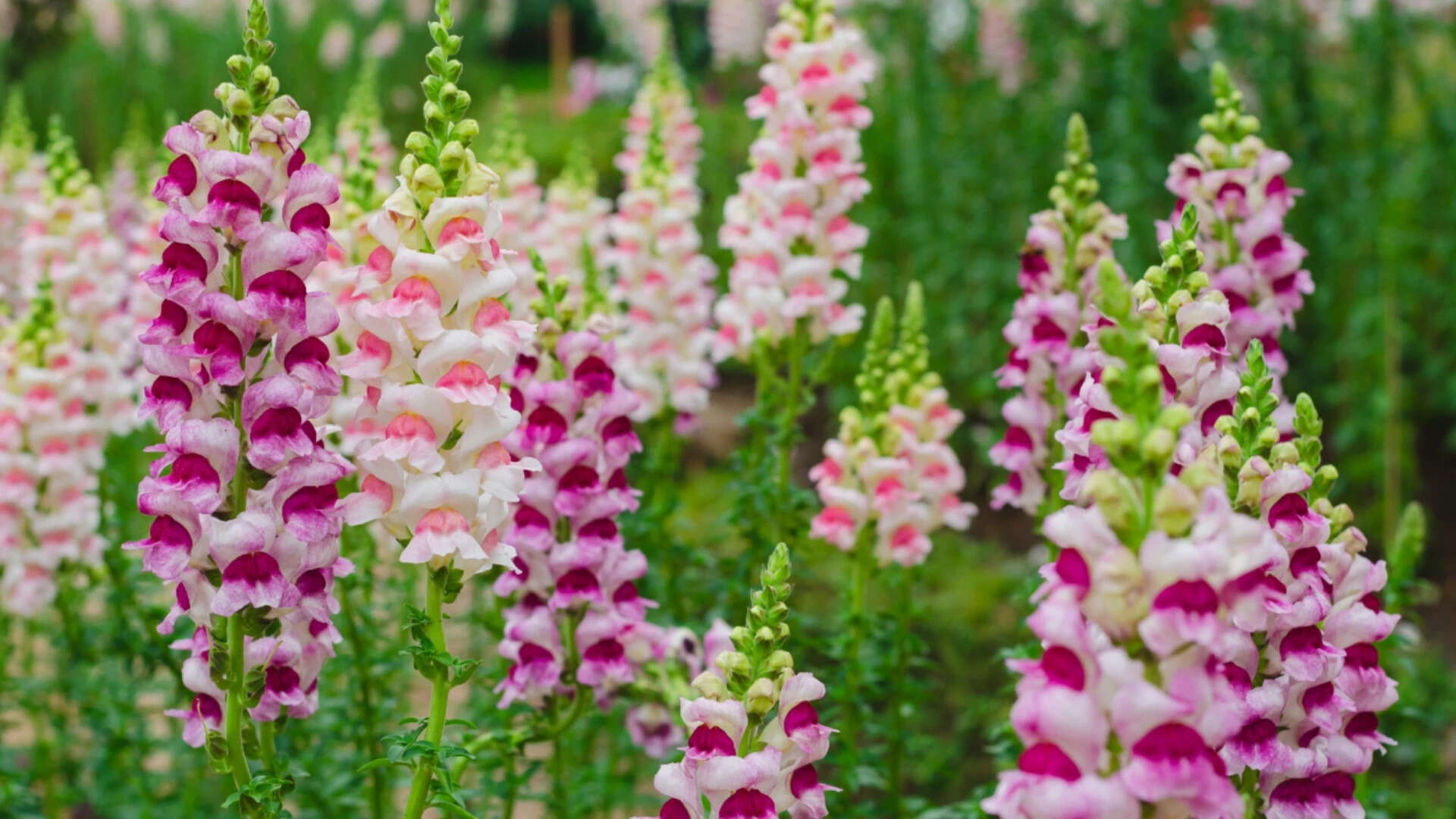
Researchers at the John Innes Centre, led by Professor Enrico Coen, spent years analyzing how snapdragons fine-tune their shades to win the attention of pollinators. They have now found that the flowers don’t rely on single genes to paint their petals. Instead, seven genes orchestrate an intricate dance, each contributing something so subtle that human eyes barely catch it, yet bees notice instantly!The researchers at the John Innes Centre, in the group of Professor Enrico Coen, working alongside colleagues in Austria, China, and Australia, investigated shades of yellow in wild populations of snapdragons (Antirrhinum majus).The study focused on a remarkable natural research resource in the Pyrenees, where two varieties of wild snapdragons grow side by side. One variety displays magenta blooms with a yellow bull’s-eye. The other flips the design: yellow flowers with a magenta spot to highlight the bees’ entry point. The researchers found that the color difference between these varieties is controlled by seven genes. Three of them control the magenta paintbrush, while the rest control the yellow. They collaborate to create gradients, subtle shifts in color intensity that guide bees to the flower’s entrance.In the hybrid zones, where the two snapdragon varieties meet and interbreed, their genetic material mixes freely. The result is a riot of intermediate colors: orange flowers and cream blooms. These combinations might charm gardeners, but not the bees. Natural selection, hence, keeps this genetic blending limited to a very small area, just about 1 km wide. Because this zone is so narrow, scientists can use it to measure how strongly natural selection acts on each gene.
How the yellow shades emerge
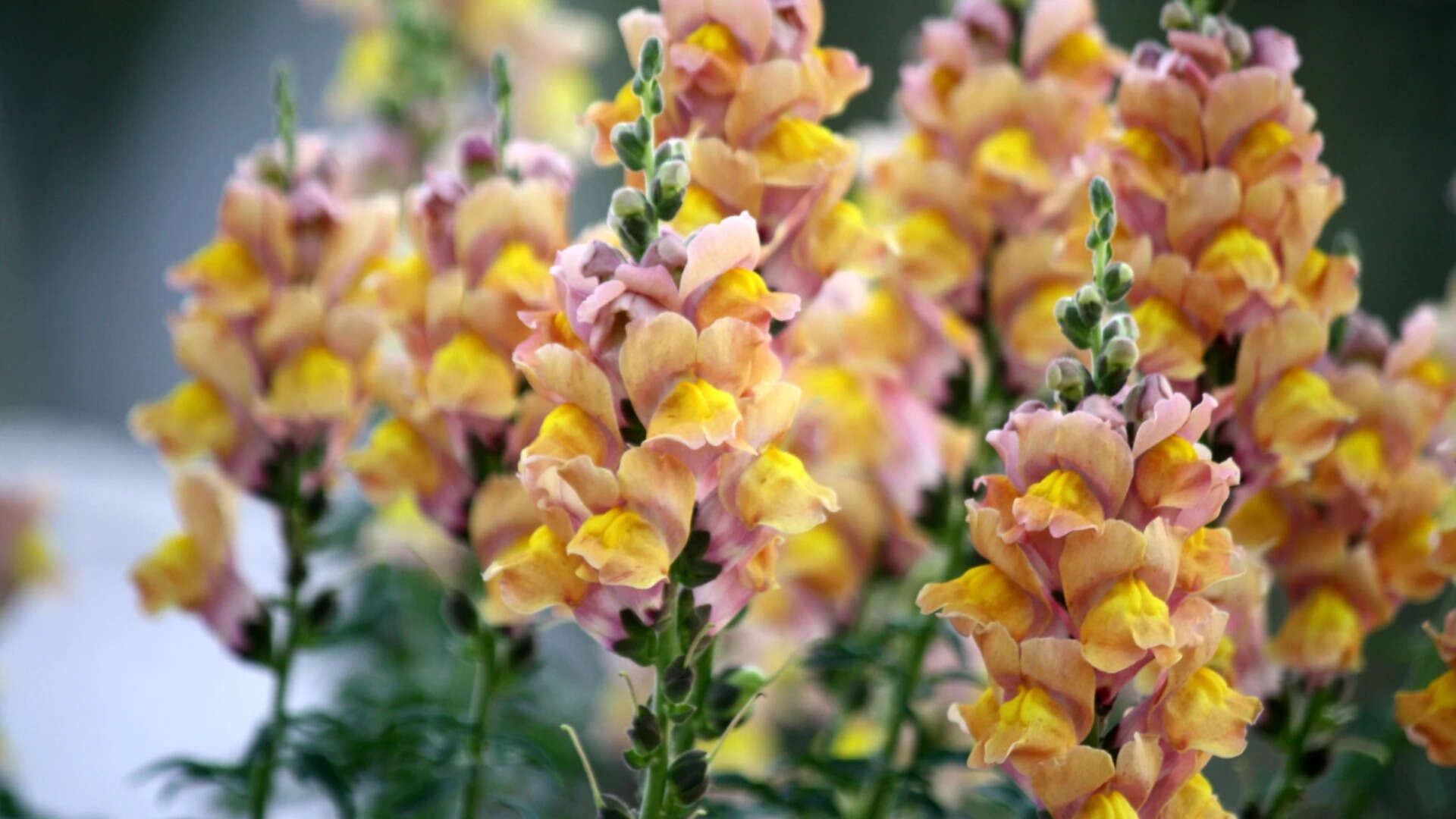
For the magenta-flowered variety, these four genes produce a steep gradient, resulting in a clear yellow spot that stands out boldly. For the yellow-flowered type, the same genes generate a shallow gradient, a softer yellow blush without sharp definition. The individual effect of each yellow gene can be barely perceptible to us humans. You may stare at a snapdragon and still miss it entirely. A bee, however, perceives the difference immediately.“We have looked at how fascinating color patterns in nature are formed and shaped, the genes that make such patterns, how they work together and how this has been selected over evolutionary time to favor the dance and visit of bees,” first co-author Dr. Desmond Bradley said.
“Together, these four genes act to precisely hone the yellow gradient. Some genes have very subtle effects, but each contributes to the gradient pattern that is monitored by the bee. Even those patterns that we could hardly discern can be distinguished by the bee in the hybrid zone,” the researcher added.This mechanism goes far beyond snapdragons. Molecular gradients control how butterfly wing patterns emerge, how fruit fly embryos develop, and how animals organize their body structures during growth. Scientists understood these gradients existed and recognized their importance, but the role of natural selection in shaping them remained a puzzle.