
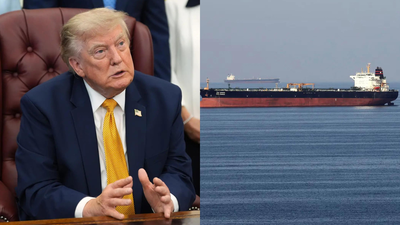
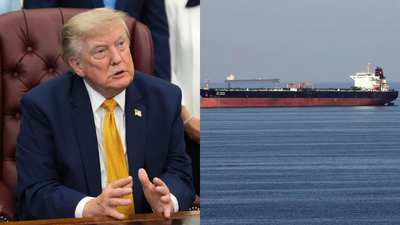
US president Donald Trump had been preparing to declare victory in the war with Iran if Tehran agreed to fully reopen the Strait of Hormuz. He had also privately signalled to senior aides that he was willing to walk away without securing a nuclear deal, US officials said to the Wall Street Journal.However, that scaled-back objective has become more difficult after Iran on Saturday made its most extensive demands yet for restoring the free flow of traffic through the strategic waterway, including billions of dollars in US payments, the withdrawal of American troops from the region and an end to the US naval blockade.Trump has repeatedly threatened a major escalation of the US bombing campaign against Iran, only to later pull back from such plans. However, the latest turmoil in negotiations suggests Tehran is preparing for a prolonged and increasingly difficult conflict.In recent days, Trump told reporters that he was prepared to launch what he described as the biggest military attack since World War II, but said US allies had persuaded him to reconsider. He also maintained that a deal with Iran was “imminent”, although no agreement has materialised so far.On Friday, Trump appeared to suggest on social media that the US had already secured victory in the conflict even without a nuclear agreement, sharing an article titled “Donald Trump Won the Iran War.”Vice president JD Vance, meanwhile, told Fox News that Washington would continue to pressure Tehran to make long-term changes in its relationship with the United States.“And if not, that’s fine, too, we’re just going to keep on applying the pressure we can apply, and getting as much oil and gas out of the Middle East so that Americans can enjoy lower gas and energy prices,” Vance said.“We’re in the middle of the game,” he added.Iran’s ability to disrupt traffic through the Strait of Hormuz with sporadic missile and drone attacks has given Tehran significant leverage, slowing commercial shipping and affecting global oil markets. Trump has repeatedly said in recent weeks that the strait was fully open, but those claims have so far proved premature.Tehran, which closed the waterway after the war began in February, has insisted that American warships not be allowed to pass through and has sought to collect revenue from commercial vessels. Washington, however, has said it will not accept Iranian restrictions or tolls, US officials said.Prospects for an agreement appeared to weaken further over the weekend after the United Arab Emirates said Iran had launched a missile attack on one of its ships. A senior Iranian official also outlined a series of demands that Tehran says must be met before traffic through the strait can resume.Mohammad Bagher Zolghadr, secretary of Iran’s Supreme National Security Council, said the US would have to permanently end the war, lift its naval blockade, withdraw its forces, end all sanctions, release Iran’s frozen assets, pay war reparations, stop threats and insults, and halt military action against Iran’s militia allies in the region before Tehran would reopen the Strait of Hormuz, according to a report by state news agency IRNA.