
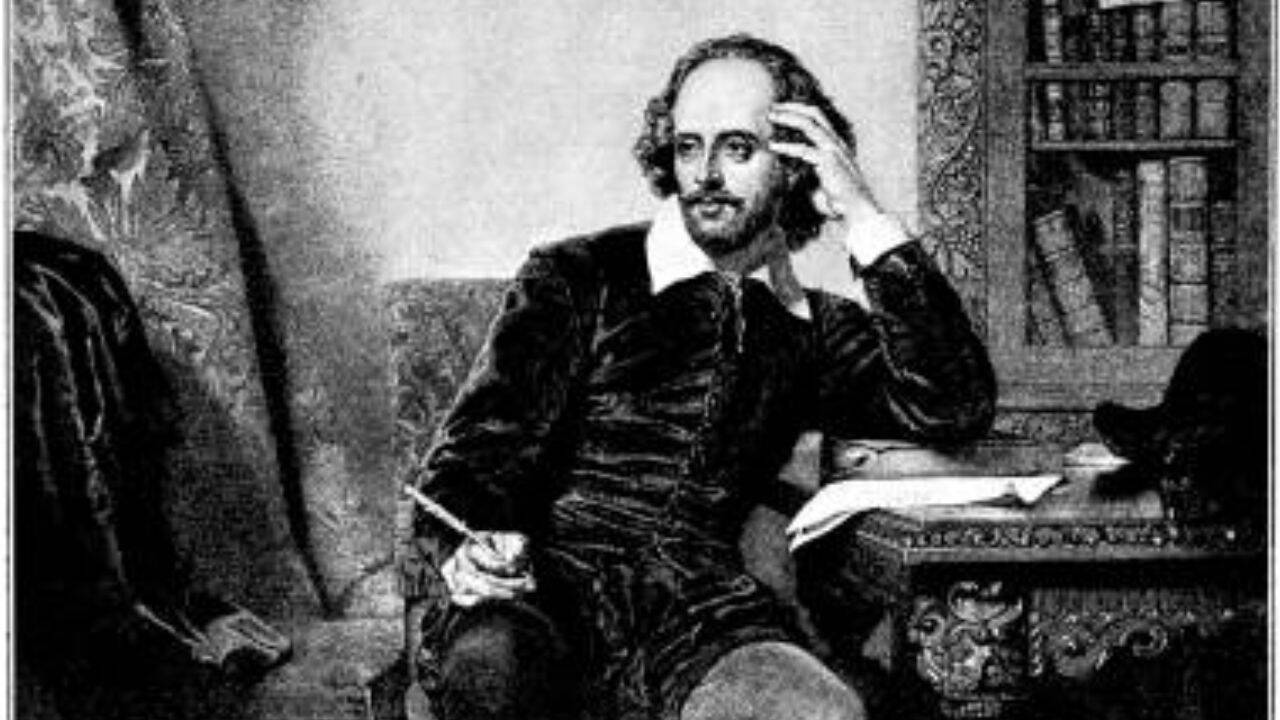
“I like this place and willingly could waste my time in it,” wrote William Shakespeare in his play ‘As You Like It’. Most people feel this sentiment towards their homes, the abodes they come to buy and decorate in the space of a lifetime with one trinket at a time.Shakespeare is believed to have been born in April 1564 in Stratford-upon-Avon, Warwickshire, England. While the exact date of his birth is not recorded, it is celebrated around the world on April 23. He was the eldest son of John and Mary Shakespeare and one among the eight children the couple went on to have.At the age of eighteen, he married Anne Hathaway, a young woman from the village of Shottery, just outside Stratford-upon-Avon. They had three children, one of whom, Hamnet, died at the age of 11.He is said to have moved to London in the late 1580s or early 1590s to work in the theatre business, since he wanted to be an actor and writer. His earliest play is believed to be one of the three parts of King Henry VI (Part 1, Part 2, and Part 3), written between 1589 and 1591. By 1592, he was known well enough in London to be insulted by another writer in print. The man regarded as England’s greatest playwright ended up writing 38 plays in his life which are performed and studied to date across the globe.
Saving Shakespeare’s house
Shakespeare is believed to have been born in April 1564 in Stratford-upon-Avon, Warwickshire, England.
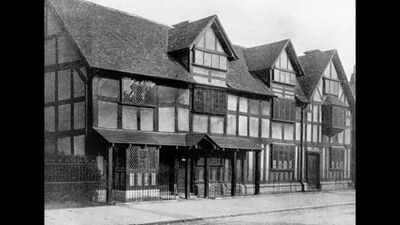
In the 1830s, the Royal Shakespearean Club had already become involved in the restoration of the bust and grave at Holy Trinity Church. The Club had begun to debate the idea of buying the Henley Street house before the sale became public knowledge, so they set up The Shakespeare Birthplace Committee with the intention of buying the property, which also included Charles Dickens as a member.In 1846, the Henley Street house was put for sale. The advertisement declared the house to be: ‘the truly heart-stirring relic of a most glorious period’ and promised a public auction on September 16 of the year. Public excitement for the sale was high and at the same time rumours circulated that the notorious American showman, P.T. Barnum intended to buy and ship the house to New York to join his fleet of theme park attractions.Barnum visited Stratford-upon-Avon in Warwickshire, England, in 1844 while he was touring Europe with his show, seen by 400,000 people a year, the ‘Coventry Telegraph’ reported. “Barnum and Shakespeare had a lot in common. They were both entertainers and astute businessmen,” said Dr Paul Edmondson, head of research at the Shakespeare Birthplace Trust.“Barnum mentions in his 1855 memoirs that he had designs on the birthplace but several English gentlemen interfered and purchased the premises for a Shakespeare association.”According to his memoirs, he dispatched an agent to Stratford-upon-Avon, armed with the cash and “full powers to buy the Shakespeare House and have it carefully taken down, packed in boxes and shipped to New York.”“A price was agreed but then some English gentlemen got wind of the transaction and bought the house,” Barnum wrote.The Surrey Zoological Gardens capitalised on this public excitement, building a replica of the house in the middle of their fifteen-acre plot. They even hung a sign above the door bearing the words ‘the immortal Shakespeare was born in this house’ (as Mary Hornby had done outside the real house fifty years before). People queued for days to see the replica in Surrey. The neat, stand-alone house became something of an icon and was to inspire, in part, the removal of the adjoining properties on Henley Street surrounding Shakespeare’s actual Birthplace.Flyers and pamphlets were circulated to encourage private donations to the Birthplace Committee. Prince Albert, a member of the London Shakespeare Committee made a private donation of £250. Later, a bank loan was taken out for the sum of £470. In total, the Committee had managed to raise £3,000 by the day of the public auction.
The sale day
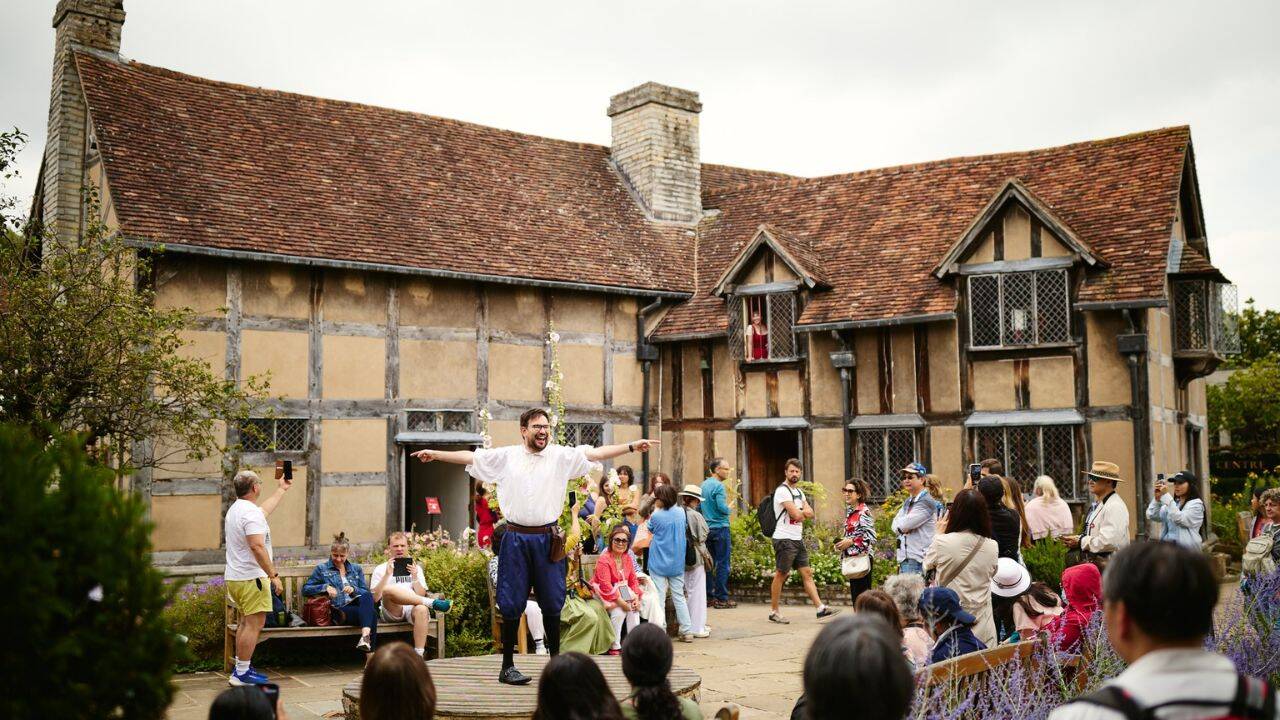
Today, the house operates as a popular public museum and international literary landmark. Owned and managed by the trust, and allows people to explore the early life of the playwright
On September 16 1847, there were notable figures present in the London sale room. Representing the Stratford Committee were the significant Shakespeare scholars and founding members of the Shakespeare Society, J. P. Collier (of Perkins Folio infamy), Charles Knight and J. O. Halliwell-Phillips (who was instrumental in the creation of the museum).Until their bid, the highest offer stood at £2,100. Very dramatically, the Stratford and London Shakespeare committees passed a letter to the auctioneer following one Mr. Clapton’s bid, offering the full sum of £3,000. Once the property was acquired and restoration was underway, the Shakespeare Birthplace Committee eventually became known as the Shakespeare Birthplace Trust.Today, the house operates as a popular public museum and international literary landmark. Owned and managed by the trust, it allows people to explore the early life of the playwright. It consists of the birthroom, a master bedroom where he is traditionally believed to have been born, a glover’s workshop, showcasing the glovemaking trade of his father, an exhibition gallery detailing his life, family and creative evolution and other historic signatures.