
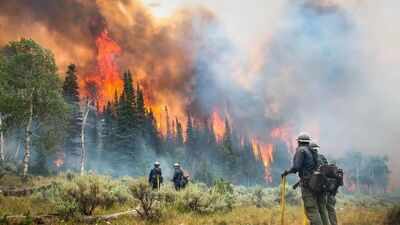
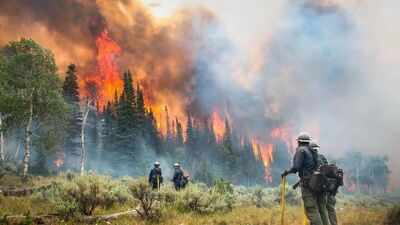
Wildfires may be adversely affecting solar power generation worldwide. According to a recent study published in Nature, smoke from the Canadian wildfires in 2023 reduced solar electricity generation across North America and Europe by an estimated 6.38 terawatt-hours (TWh) over five months. The researchers estimated that the reduction amounted to about 2.8% of the solar electricity generated across the two regions during that period.The report also estimated that the decline in solar generation caused an economic loss of about $1.9 billion and was associated with about 2.1 megatons of CO2 emissions. Researchers attributed the drop to smoke and airborne particles from the wildfires that blocked or scattered sunlight before it could reach solar panels, though they noted significant uncertainty around the estimates.
How Canadian wildfire smoke affected solar power generation
The 2023 Canadian wildfire season produced large amounts of smoke that travelled across North America and reached parts of Europe. The researchers modelled the atmospheric effects of the wildfire emissions over five months to estimate their impact on solar electricity generation.Sunlight is absorbed and scattered by particles in the atmosphere. This results in less sunlight reaching the solar panels, and installations producing less electricity even if the panels themselves are not directly affected by fire.The findings also show how the effects of wildfires can extend beyond areas immediately surrounding the fires. Solar farms, commercial installations and rooftop systems can all be affected when smoke moves through the atmosphere above them.
Other factors affecting solar power generation
Wildfire smoke is not the only source of air pollution that decreases the productivity of solar panel arrays. Pollution particles (particulate matter) released into the air by automobiles and coal-burning electrical generators may decrease how much sunlight enters your solar array.Dust can affect panels in different ways by settling directly on the panel surface . Dust accumulation from construction and mining activities can reduce electricity generation if panels are not cleaned.Improved solar-power forecasting can help grid operators prepare for generation changes caused by smoke. More accurate forecasts can help operators anticipate declines in solar output and arrange alternative electricity sources to maintain the balance between supply and demand.According to Cornell University, researchers studied a machine learning model for predicting solar energy production during certain extreme wildfire smoke OPS events in 2025. Researchers indicated that the model has more detail and accuracy than the New York grid operator’s forecasts.Emissions from automobiles and factories are a source of atmospheric pollution. These can be reduced with improved dust management at solar farms. This will limit the effects of pollution on the farms’ ability to generate electricity.
Wildfires can also damage solar panels and equipment
Wildfire smoke can affect solar generation without physically damaging an installation, but fires can also directly threaten solar farms. The U.S. Department of Energy has identified wildfire damage as a risk to photovoltaic systems, including potential damage to panels and components used to operate them.A solar farm owned by a French company Luxel was affected by a wildfire last month. The fire broke out in southern France in July 2026. About 100 of the 43,500 panels and some cables were damaged in the blaze, while the transformers and inverters were not harmed.Vegetation management around the site helped limit the fire’s reach. Luxel said that regular clearing work, including a 50-meter perimeter around the fences, helped prevent flames from reaching most of the installation.The US Department of Energy recommends maintaining defensible space around solar installations in areas exposed to wildfire risk. Its measures include managing vegetation, paving areas around critical equipment, placing important electrical components in fire-resistant containers, maintaining access for firefighters and keeping an updated wildfire emergency-response plan.The Canadian wildfire study illustrates how fires can affect solar power production without reaching a solar energy facility, and physical damage to infrastructure is an additional risk to facilities built in wildland-urban interface areas.