
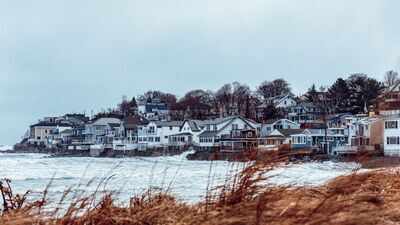
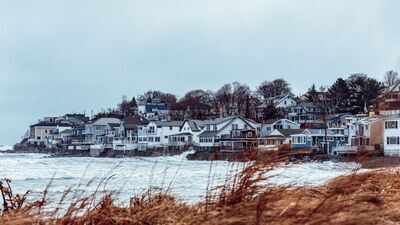
In 2018, Northeastern University announced plans for a major marine science expansion on Nahant, a small, densely built peninsula northeast of Boston. The proposal included up to 55,000 square feet of new research and teaching space on a 12-acre coastal parcel that many residents viewed as one of the last large open spaces in town. What followed was an eight-year battle over land use, local control and the limits of university growth in a fragile coastal community. In 2026, the Massachusetts Supreme Judicial Court sided with the town, upholding its use of eminent domain to take the 12 acres and preserve them as open space. As reported by Commonwealth Beacon and Mass Legal Resources, the decision marks a rare victory for a small municipality against a major university in a dispute over the future of its shoreline.A small town, a big universityNahant is one of the smallest towns in Massachusetts by area, a narrow peninsula connected to the mainland by a single causeway. With limited land, tight zoning and a strong sense of local identity, the town has long been protective of its remaining open spaces, coastal views and residential character.Northeastern University, a large private research institution based in Boston, has been expanding its marine and environmental science programs for years. The university already operates a marine science centre on Nahant, and in 2018 it proposed a significant expansion: up to 55,000 square feet of new buildings on a 12-acre parcel adjacent to its existing facilities. For Northeastern, the site offered direct access to the ocean, room for labs and field stations, and the potential to grow its research footprint.The spark of conflictFrom the start, the proposal divided the community. Supporters argued that the expansion would bring jobs, research prestige and educational opportunities, and that Northeastern’s presence was already a key part of Nahant’s identity. Opponents worried about increased traffic, strain on local infrastructure, loss of open space and the precedent of allowing a powerful institution to shape the town’s future. As plans moved forward, tensions grew. Public meetings drew large crowds. Neighbourhood groups formed. Local officials found themselves caught between respecting the university’s ambitions and responding to residents’ concerns about overdevelopment on a tiny peninsula.The town’s bold move: eminent domainIn a striking turn, the Town of Nahant decided to use eminent domain to take the 12-acre parcel from Northeastern. The goal was not to build anything, but to prevent construction: the town intended to keep the land as open space, preserving coastal access, views and habitat.Eminent domain, the government’s power to take private property for public use, with compensation, is more commonly associated with highways, utilities or large infrastructure projects. Using it to block a university expansion and preserve open space was unusual, and legally risky. Northeastern challenged the taking, arguing that the town’s action was improper and that the land should remain available for its planned expansion.Years of legal wranglingThe case went through the courts for years. The main questions were whether the town’s stated purpose of protecting open space was a valid “public use” under Massachusetts law, whether the taking was done in good faith or mainly to block Northeastern’s project, and how to weigh the university’s property rights and plans against the town’s vision for its limited land. Lower court rulings yielded mixed results, but the core issue was the same: could a small town use eminent domain to stop a large university’s expansion and keep the land undeveloped?The state’s highest court rulesIn 2026, the Massachusetts Supreme Judicial Court (SJC) ruled in favour of Nahant, as per reports. The court found that the town’s use of eminent domain to acquire the 12 acres for open space preservation was legal and in accordance with state statutes. The justices emphasised that preserving open space, coastal access and natural resources is a recognised public purpose. The town’s actions also fell within its authority, even if the effect was to block Northeastern’s proposed expansion. And, the university would receive just compensation for the land, as required by law, but did not have a right to dictate how the town used its eminent domain power.The ruling did not question the value of Northeastern’s research or its presence in Nahant; it focused instead on the legal scope of the town’s powers and the definition of public use.What the decision means for NahantFor Nahant residents who opposed the expansion, the SJC decision was a vindication. The 12-acre parcel can now be permanently protected as open space, with no risk of large-scale development. The town can maintain public access to the shoreline and views; preserve habitat for birds, marine life and other wildlife; and use the land for low-impact recreation, such as walking, birdwatching and educational programs. For many, the case was about more than one parcel. It was about asserting local control against institutional pressure. In a region where universities and developers often hold sway, the ruling sent a message that small communities can still define their own futures.Campus expansion and land use impactsThis ruling sends a loud and clear message to schools like Northeastern: owning property doesn’t mean you get to build on it. Local pushback and legal roadblocks can quickly derail massive expansions, particularly in space-starved areas. Expect other towns to take notes. Municipalities will likely double down on aggressive zoning, open-space protections, and even eminent domain to hold off heavy-handed institutional growth. If universities want to avoid brutal, expensive legal battles, flexing power won’t cut it anymore. They’ll need to engage local residents much earlier, approach negotiations in good faith, and make real compromises from day one.A broader conversation about coastal landThe Nahant dispute also fits into a larger conversation about how coastal land is used in a warming, developing region. As sea levels rise and storms intensify, preserving open space, wetlands and natural buffers becomes increasingly important for flood protection and ecosystem health. At the same time, demand for waterfront property, for housing, research, recreation and industry, continues to grow. The 12-acre parcel on Nahant is small in absolute terms, but symbolic: a test of whether communities can prioritise long-term resilience and public access over immediate development gains. The SJC’s decision suggests that, at least in Massachusetts, the law can support that choice.What comes nextWith the legal battle resolved, the focus now shifts to the land itself. The town will need to: finalise compensation to Northeastern for the taken property; develop a management plan for the open space, balancing access, conservation and maintenance; and engage residents in shaping how the parcel is used, trails, signage, habitat protection and possible educational partnerships with local schools or institutions. For Northeastern, the decision means rethinking its expansion plans on the peninsula. The university may look to other sites, scale back its ambitions in Nahant, or seek collaborative arrangements with the town that fit within the new reality.A small town’s big statementIn the end, the Nahant case is about power, place and identity. A small coastal town, outnumbered in resources and influence, used the law to protect a piece of its landscape from a major university’s growth plans. Eight years after Northeastern first proposed its 55,000-square-foot expansion, the town has won the right to keep 12 acres open, ensuring that at least this corner of the peninsula will remain undeveloped for generations to come.