
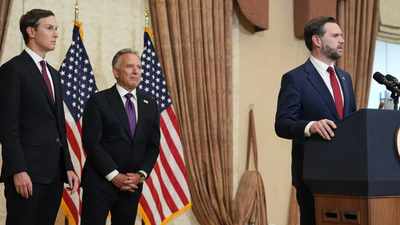
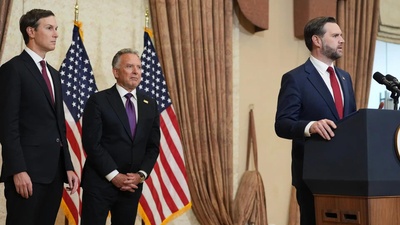
US Vice President JD Vance said peace talks with Iran in Pakistan had failed, adding that the American delegation would now return home after marathon negotiations ended without a deal. Speaking in Islamabad after more than 20 hours of discussions, Vance said the US had entered the talks “in good faith” but was unable to secure an agreement with Tehran.JD Vance says Iran did not agree to US terms — Follow live updates
“We’ve had a number of substantive discussions with the Iranians. That’s the good news. The bad news is that we have not reached an agreement — and I think that’s bad news for Iran much more than it’s bad news for the United States,” Vance said.The talks, which stretched late into the night and into early Sunday, were held against the backdrop of a fragile ceasefire after weeks of conflict that has destabilised the region and shaken global energy markets. Despite what officials described as a largely cordial atmosphere, deep divisions persisted, particularly over Iran’s nuclear programme and control of the Strait of Hormuz.Vance insisted the US position had been flexible, but said Tehran had failed to offer what Washington considers a fundamental assurance. “The simple fact is that we need to see an affirmative commitment that they will not seek a nuclear weapon,” he said, calling it President Donald Trump’s “core goal”.He added that while Iran’s nuclear capabilities had been significantly degraded during the conflict, the US was seeking a long-term guarantee. “We haven’t seen that yet. We hope we will.”According to Vance, the US delegation left the talks with what he described as a “final and best offer”, placing the next move firmly in Iran’s hands. “We were quite accommodating… we made our best effort to get a deal. Unfortunately, we weren’t able to make any headway,” he said.Earlier however, Iranian officials pushed back accusing Washington of making “excessive” and “unacceptable” demands — particularly over the strategic waterway through which a significant share of the world’s oil passes. Tehran has used its control over the strait as leverage, driving up global prices and increasing pressure on Western governments.The failure to reach agreement comes despite rare direct contact between senior officials, including Vance and Iranian parliamentary speaker Mohammad Bagher Ghalibaf.