
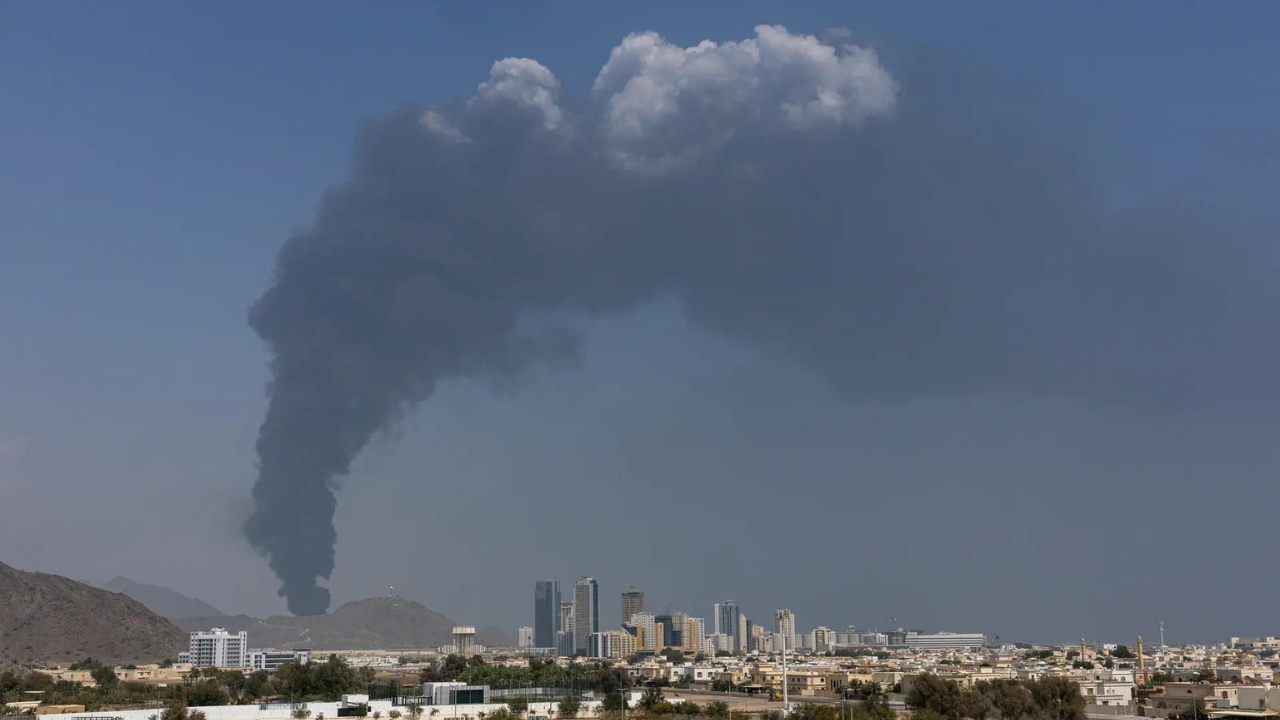
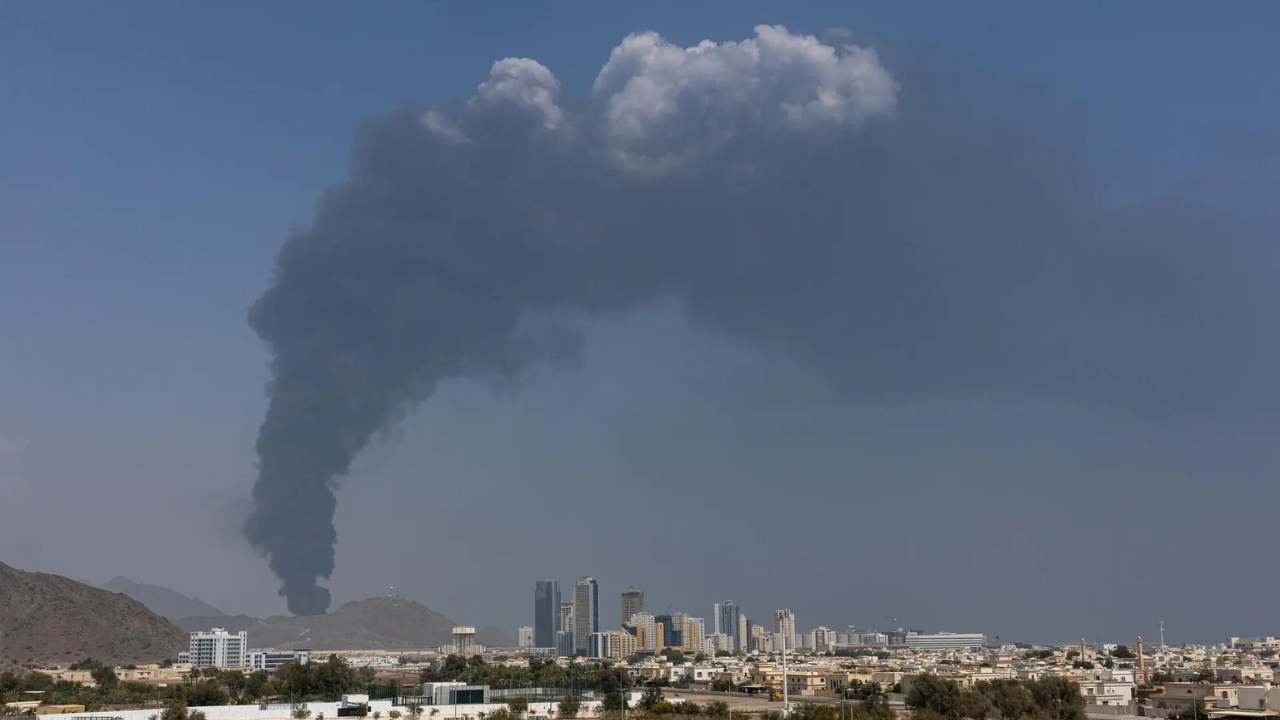
On the ground, the conflict continues to intensify. Israeli strikes on Lebanon have killed over 1,000 people and displaced nearly a million, while Iran has reported more than 1,500 deaths. Casualties have also been recorded in Israel and among US troops, underlining how the war has already moved beyond a limited confrontation into a wider regional crisis. The involvement of multiple actors, from Iran-backed militias in Iraq to actions by Iran, the US, and Israel, has increased the risk of a prolonged, multi-front conflict with no clear exit.
At the same time, the strategic importance of the Strait of Hormuz remains a key pressure point. Trump’s decision to delay strikes on Iranian energy infrastructure has temporarily eased global tensions, particularly in energy markets. Oil prices, which had surged past $100 per barrel amid fears of supply disruptions, showed signs of stabilising after the announcement. However, markets remain highly sensitive to developments, with sharp swings reflecting the uncertainty around how the conflict may evolve.
The war’s geopolitical complexity is further deepened by emerging international alignments. Ukraine has warned of growing military cooperation between Russia and Iran, particularly in drone warfare and intelligence sharing. This raises concerns that the conflict could intersect with other global flashpoints, potentially drawing in more countries and widening its impact beyond the Middle East.
Meanwhile, diplomatic efforts are quietly underway behind the scenes. Countries like Egypt, Turkey, Oman and Pakistan are reportedly acting as intermediaries, attempting to de-escalate tensions and prevent attacks on critical energy infrastructure. While these backchannel efforts suggest that communication has not completely broken down, public statements from both Washington and Tehran indicate that trust remains extremely low and positions remain far apart.
Humanitarian concerns are also mounting. Millions have been displaced across Iran and Lebanon, while repeated strikes on infrastructure, including power grids and oil facilities, threaten to worsen living conditions. In several areas, access to electricity and basic services has already been disrupted. Beyond the region, the economic impact is being felt globally. Rising fuel prices have pushed up transport and daily costs, forcing households in many countries to cut back on routine spending.