
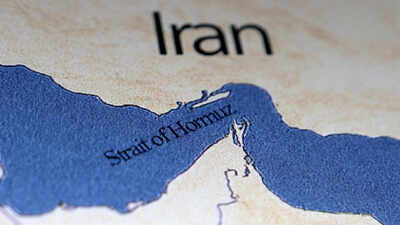
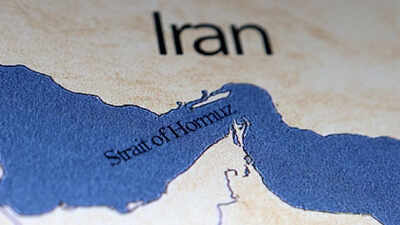
Recent US intelligence reports indicate Iran is unlikely to reopen the Strait of Hormuz anytime soon, as control of the key oil chokepoint remains its main leverage against the United States, Reuters reported.Click here for live updates Tehran, which controls one side of the strait, has effectively blockaded the route in response to U.S.-Israel strikes that triggered the ongoing Middle East conflict. About 20% of the world’s crude oil supply passes through the waterway. Sources say Iran can continue disrupting traffic to keep global energy prices high, increasing pressure on U.S. President Donald Trump to end the nearly five-week war, which has been unpopular with American voters. The conflict may also have strengthened Iran’s regional position by demonstrating its ability to threaten a critical trade route. Trump has downplayed the difficulty of reopening the strait, suggesting U.S. forces could do so quickly. “With a little more time, we can easily OPEN THE HORMUZ STRAIT, TAKE THE OIL, & MAKE A FORTUNE,” he posted on Truth Social.Also Read | ‘Can easily open Hormuz, take oil & make fortune’: Trump makes ‘gushing’ claims However, analysts warn military action would be risky and costly, given Iran’s geographic advantage and its ability to strike using drones, missiles, and naval tactics. Since the war began, Iran’s Islamic Revolutionary Guard Corps has attacked commercial vessels, deployed naval mines, and imposed passage fees, making the route unsafe and sharply reducing traffic. These actions have pushed oil prices to multi-year highs and triggered fuel shortages in countries dependent on Gulf exports, while also raising inflation risks in the U.S. ahead of midterm elections. Intelligence sources say Iran is unlikely to give up this leverage even after the war. The strait is only 21 miles wide at its narrowest point, with shipping lanes about 2 miles wide in each direction, making vessels easy targets. Even limited attacks can disrupt transit. Experts add that even if the U.S. secures parts of the coastline, Iran could still disrupt shipping using long-range capabilities from within its territory. Tehran may also seek to retain control to strengthen its negotiating position, secure deterrence, and generate revenue through transit fees for post-war reconstruction.