
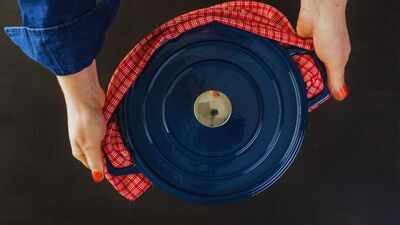
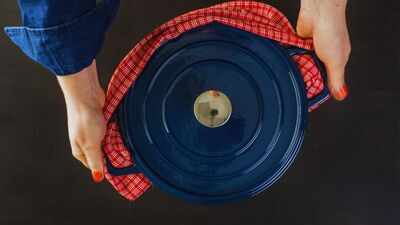
Cast iron cookware, once a household staple, is seeing a major revival in India. Professional chefs, home cooks and even nutrition-conscious families are rediscovering its durability, versatility and ability to create meals with rich flavour. For many Indians, cast iron is not just cookware, it is a memory of food cooked by grandparents in heavy kadais, dosa tawas that stood the test of time and slow-cooked curries that tasted better with every passing hour. But what exactly is cast-iron cookware? So what makes it different from regular iron cookware?What exactly is cast ironIron cookware is made by melting iron with a small amount of carbon (usually 2-4%) and pouring the molten metal into moulds. The cookware is very hard, dense and durable when it is cooled. Unlike thinner metal pans that are stamped or pressed into shape, cast iron is “cast,” literally, in its final form. Its main advantage is that it stays warm. Cast iron takes a long time to heat up, but holds the heat for a long time. This ensures that food cooks evenly, and stays warm even after you turn off the stove. Many cast-iron pans remain in good working condition after 50 or more years. These are often passed down from generation to generation within families.
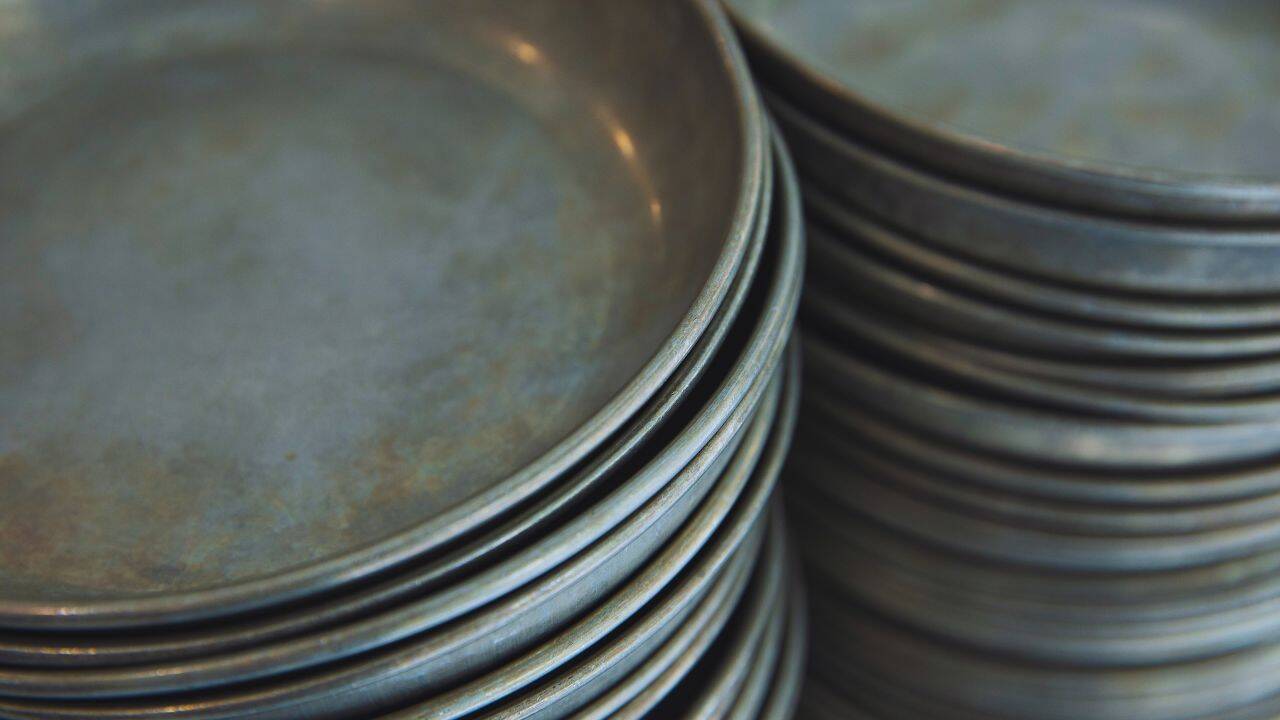
Regular iron cookware-Canva
Regular Iron cookwareMeanwhile regular iron cookware, often sold in India as iron tawas, kadais or frying pans, is generally made from sheets of iron that are hammered or machine-pressed into shape. In comparison with cast iron, it is a lot lighter, it heats up faster and cools down faster. It is east to handle for everyday cooking and is suited to recipes that require rapid temperature changes. However, it doesn’t hold heat like cast iron, so it may not develop the same kind of deep browning or crust on foods like steaks, roasted vegetables, or cornbread.Why is cast iron back in vogue?For many reasons, cast iron never really disappeared, it was just eclipsed by the rise of lightweight aluminium and non-stick cookware. Several factors are driving its resurgence in popularity today.
- Health-conscious consumers are looking for cookware that does not rely on synthetic non-stick coatings.
- Home cooks are rediscovering traditional cooking methods.
- Social media has made aspirational the beautifully browned breads, crispy dosas and sizzling skillets.
- There’s also an increased appreciation for products that last for decades and don’t need to be replaced every few years.
- For many families, the use of cast iron is also an emotional experience. They think of childhood kitchens where food simmered instead of being rushed.
“As consumers become increasingly conscious of the materials that come into contact with their food, there is growing attention on cookware surfaces and the coatings used in them. Cast iron provides a more natural alternative, without relying on synthetic coatings, making it a trusted option for many modern kitchens. What I find particularly encouraging is how cast iron has continued to evolve to meet the needs of modern kitchens. Cast iron has endured because it delivers on those fundamentals through reliability, versatility, and performance. Its ability to embrace innovation while staying true to its character is what continues to secure its place in kitchens across generations, ” says celebrity chef Vikas Khanna
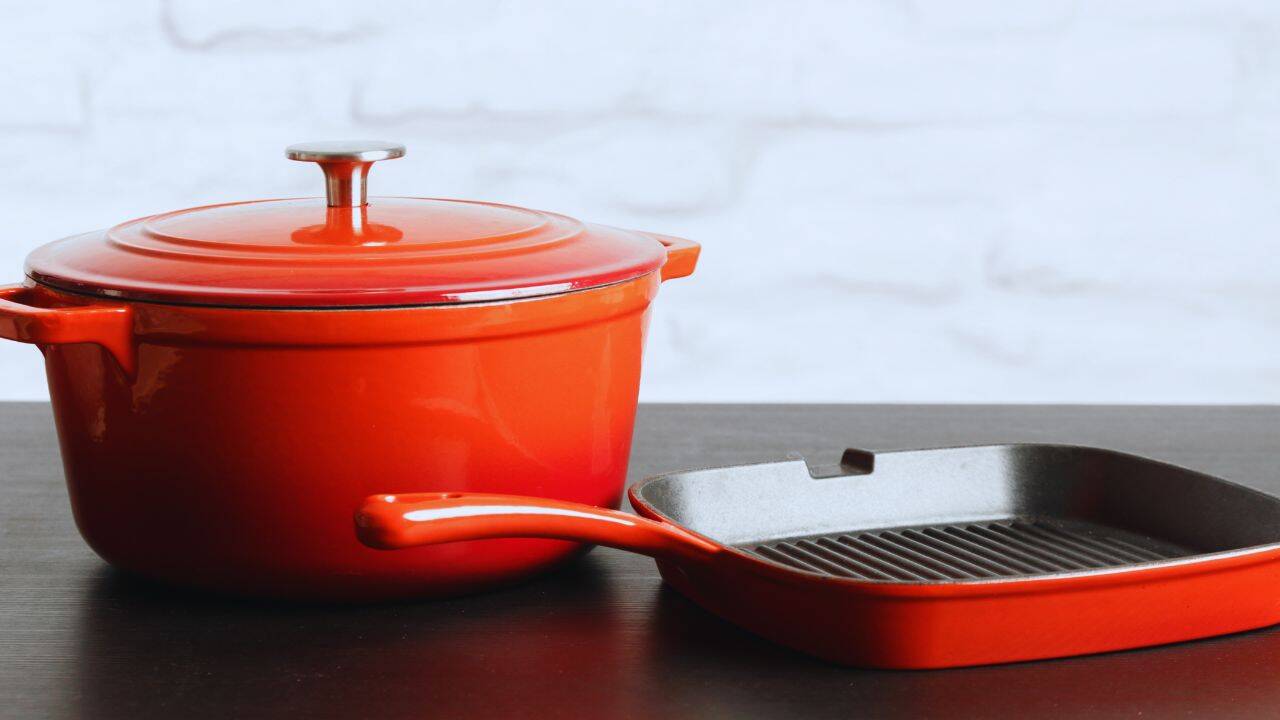
Enamel cast iron cookware
What is enamel cast iron?Enamel-coated cast iron utensils have gained popularity in recent times. It combines the strength of cast iron with a protective layer of enamel, a glass-like coating fused to the metal at very high temperatures. This enamel coating alters the way the cookware behaves. Enamel-coated cookware is different from traditional cast iron as regular seasoning is not required, it is rust resistant, is safe for cooking acidic foods, is easier to clean and looks fancy. The cast iron underneath still holds heat very well and the enamel provides a smooth cooking surface. Common examples include Dutch ovens for baking bread, slow-cooked stews, soups and braised dishes.Umesh Guptaa, Managing Director, Bergner India says, “The best cookware always respects tradition while embracing innovation, and cast iron is the perfect example of this. The enamel surface is 100% toxin-free, free from PFAS and PTFE, and beautiful enough to move from stove to table without a second thought.”However the main drawback is cost. Enamel coated cast iron is usually much more expensive than regular cast iron. The enamel is tough but can chip if dropped or exposed to rapid changes in temperature.
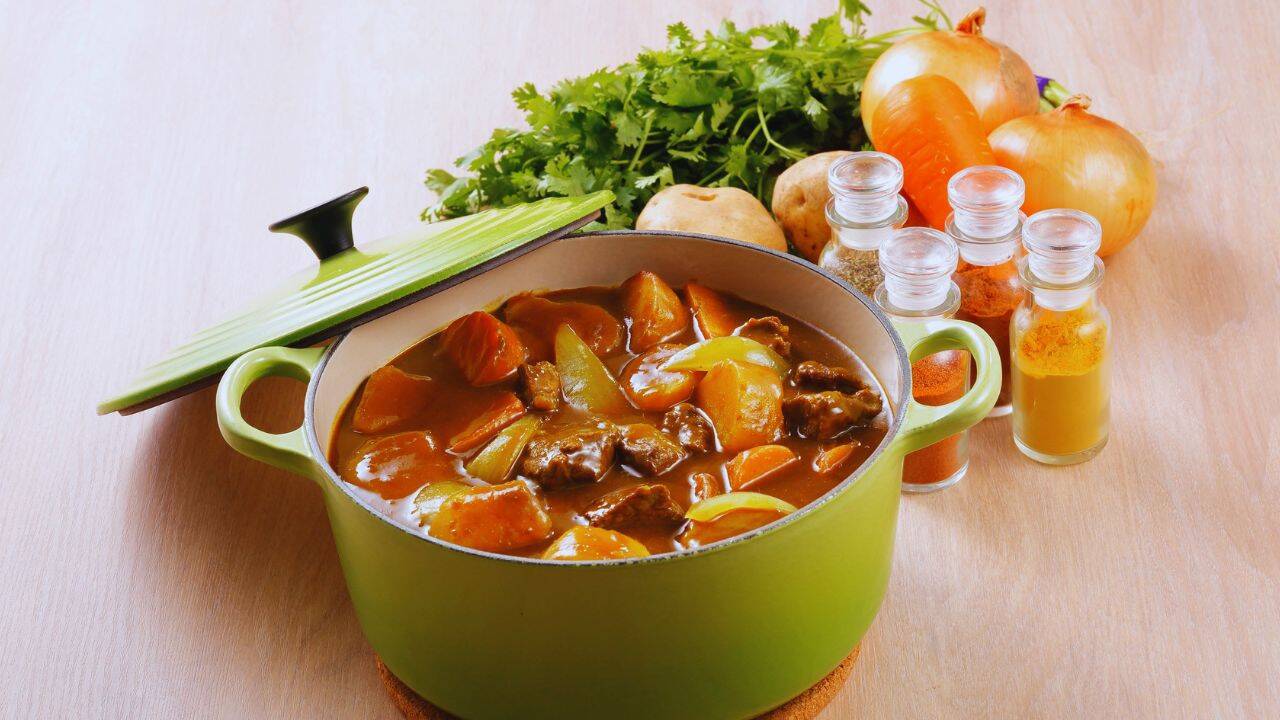
The enamel provides a protective layer to the iron-Canva
Why do people refer to cast-iron cookware as nostalgic?There is something very personal about cast iron. There’s continuity. Unlike modern cookware that gets replaced every few years, cast iron often becomes a family heirloom. People often associate it with memory and nostalgia.Certain foods benefit tremendously because cast iron distributes and retains heat so well. They include-
- Crispy dosas, uttapams.
- Parathas and rotis
- Sizzle paneer or vegetables
- Roast potatoes
- Vegetables, stir-fried
- Corn bread
- Skillet brownies & cookies
- Pizza with a crispy crust
- Dals (slow cooking)
- Full-bodied curries
- Biryani. Stewed and braised foods
Cast iron is also good at producing caramelisation – that golden brown crust that forms when proteins and sugars are cooked at high temperatures.
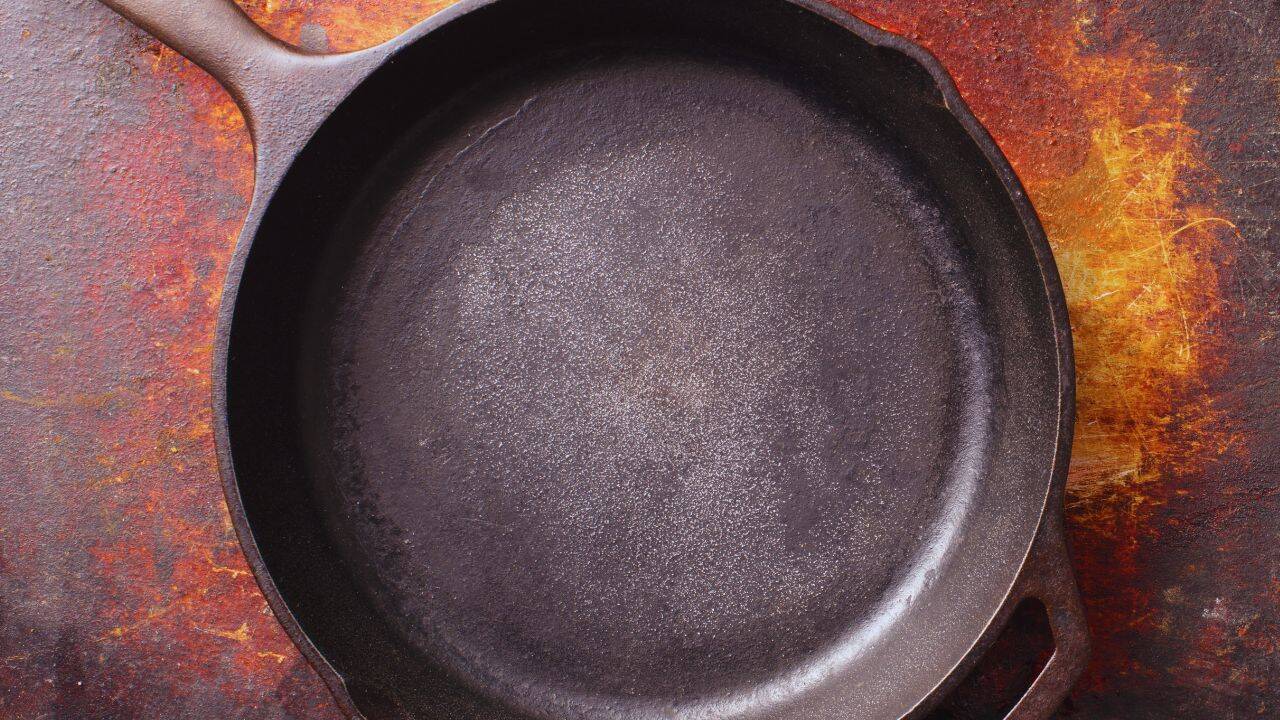
Some iron leaches out in the food in this kind of cookware-Canva
Foods to avoid in traditional cast ironSeasoned cast iron is pretty versatile, but there are some foods to watch out for, especially in newly seasoned pans.
- Very acidic dishes
- If the seasoning is weak the iron can react with tomato curries, tamarind gravies, vinegar-heavy dishes and lemon-rich sauces.
- This can leave a metallic taste and slowly destroy the seasoning.
- Some delicate fillets of fish, unless the pan be perfectly seasoned, will stick.
- Eggs, pancakes or crepes may stick badly until some seasoning has built up from repeated use.
Does cast iron leach iron into food?One feature of cast iron cookware is that trace amounts of iron can leach into food as it is cooked. Research has shown this effect is more pronounced when cooking with acidic foods or foods with longer cooking times. In some people, particularly in people whose diets provide little iron, this may make a small contribution to the amount of iron found in the diet . However, cookware should not be regarded as a treatment for iron deficiency. If you are worried about your iron levels, see a doctor. Don’t rely on cookware alone.How to season your cast iron
- Wash and dry the cookware well.
- Put a very thin layer of cooking oil on the whole surface.
- Wipe away the excess oil until the surface is almost dry.
- Heat it in an oven or on a stove until the oil adheres to the metal.
- Sprinkle it a few times for more flavour.
- With every cooking, this natural non-stick layer gets stronger.
How to care for cast iron cookware
- Wash right after you cook.
- Avoid soaking it in water for long periods of time.
- Wash and dry immediately.
- Apply a light coat of oil before storing.
- Keep in a dry place.
- Avoid rough detergents every time, especially for well-seasoned pans.
- If rust is present, scrub it off, preseason the cookware and use it.
Contrary to common opinion, a little mild soap can be used now and then without destroying a well-established seasoning layer.Is it worth buying cast iron?If you’re after lightweight, fast-heating, low-maintenance cookware, cast iron might be a bit of a handful. But if you want something that will last, that holds heat well and that you can hand down through the family, cast iron is one of the best investments you can make in the kitchen for the long term. Patience pays off. The more you use it, the better it becomes.That’s probably why cast iron keeps outlasting every kitchen trend. It’s something that’s meant to last, in a world of products meant to be disposed of. For many, it is not just a pan but a piece of culinary heritage that ages well, holds memories handed down through generations, and reminds us that some of the best food is still made the slow, traditional way.