


At just 13 or 14 years old, most Grade 9 students are still getting comfortable with science fair pressure. Akshath Anand of Surrey Academy of Innovative Learning did something far bigger: he walked into the Canada-Wide Science Fair in Edmonton with a medical technology project, impressed the judges, and walked away with a gold medal.His invention, Veino – IV Safety Monitoring System, is designed to spot IV leaks before they become visible, painful or damaging. Using smart pressure sensors, the wearable device detects changes in intravenous drips and alerts nurses early, giving healthcare workers a chance to act before a patient develops swelling or bruising. For a first-time national competitor, that is an extraordinary result.Akshath’s success is also a reminder that some of the most practical ideas come from young people who notice everyday problems and ask a simple but powerful question: why isn’t there a better way to fix this?A device built for patient safetyIntravenous therapy is routine in hospitals, but it is not always risk-free. When an IV line leaks or shifts out of place, the result can be uncomfortable at best and painful at worst. Swelling, bruising and tissue irritation can happen before the problem is noticed, especially if a patient is unable to speak up quickly.That is exactly the kind of issue Akshath wanted to address. Instead of creating a flashy concept with no clear use, he focused on patient comfort, early detection and fast intervention. His wearable system is meant to work quietly in the background, continuously monitoring pressure so nurses can respond before a small issue turns into a bigger one, as per Surrey Schools.That kind of thinking is what made his project stand out at the science fair. It was not just an invention for the sake of innovation. It was a solution aimed at improving real hospital care.Why his project mattered to judgesScience fairs are often at their best when they reward ideas that are both clever and useful. Akshath’s project fit that description perfectly. It combined engineering, health science and practical design in a way that made sense for real-world medical settings.The technology can also be used during procedures such as endoscopies, where pressure monitoring can help healthcare workers react faster and prevent avoidable discomfort. That broader application makes the project even more impressive, because it suggests the idea may have value beyond just IV drips.For a Grade 9 student to think at that level is rare. For him to build a prototype and present it on the national stage is even rarer. And for that project to earn gold at the Canada-Wide Science Fair is a clear sign that the judges saw serious potential in his work.From Surrey to the national stageAkshath’s journey did not start in Edmonton. He first earned his place at the Canada-Wide Science Fair through the South Fraser Regional Science Fair earlier in the year. That regional win gave him the chance to compete against some of the strongest young STEM students in the country, and he made the most of it.The national fair is Canada’s largest youth STEM event, bringing together students from Grade 7 to Grade 12. It is the kind of platform where students can test their ideas, defend their research, and see how their work measures up beyond their own school or region. Akshath’s performance shows what can happen when a strong idea gets that kind of stage.He also earned more than just a medal. Along with his Excellence Award in the junior category, he received the Challenge Award in Health & Wellness, the Youth Can Innovate Award, and scholarships from the University of Alberta and Western University. Together, those honours added weight to what was already an eye-catching debut.Why this win mattersWhat makes Akshath’s story especially inspiring is that it feels grounded in everyday reality. The problem he tackled is not hypothetical. IV leaks and related complications happen in hospitals all the time, and a tool that can catch them earlier could make a real difference for patients and nurses alike.That is the power of student innovation when it is aimed at a genuine need. It does not have to be complicated to be meaningful. Sometimes the best ideas are the ones that make care safer, simpler and less painful. Akshath’s project does exactly that, and it explains why his first national science fair ended in gold.His win also reflects a broader point about STEM education: students do not need to wait until university or adulthood to solve real problems. With curiosity, guidance and support, they can start now. Akshath’s project is proof that a school-based idea can grow into something that captures national attention.One more Surrey standoutWhile Akshath’s project was one of the most memorable at the fair, Surrey had another strong winner in Sreya Kurup of Frank Hurt Secondary, whose work on staph infections and antimicrobial resistance also earned top honours. Her project added to Surrey’s impressive showing at the event and highlighted the strength of student research in the district, according to Surrey Schools.
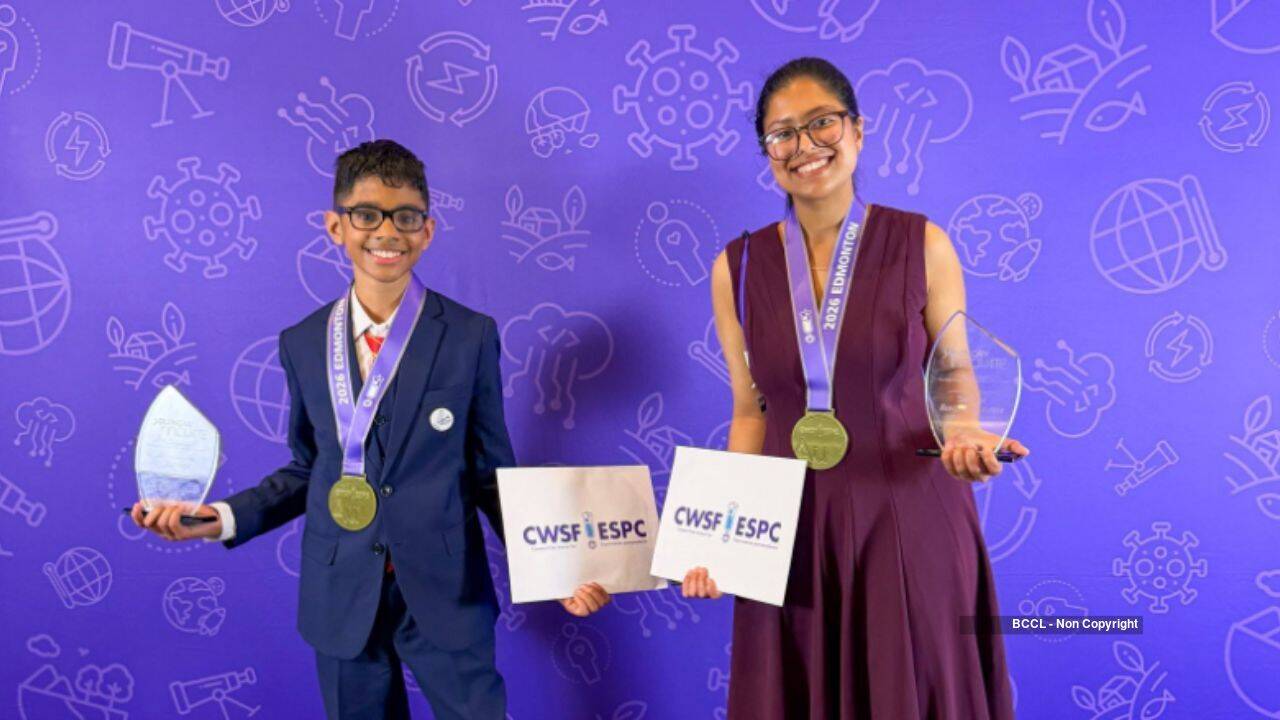
Grade 9 SAIL student Akshath Anand (left) and Grade 12 Frank Hurt Secondary student Sreya Kurup (right) with their awards at Canada-Wide Science Fair 2026.Photo credit: Surrey Schools
A young innovator to watchAkshath Anand’s gold-medal finish is more than a science fair success story. It is a glimpse of what happens when a young student takes a real-world problem seriously and builds something practical to solve it.For the medical technology world, it is a reminder that fresh ideas can come from the youngest minds in the room.