
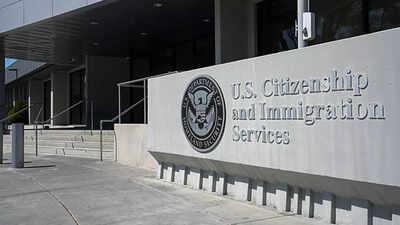
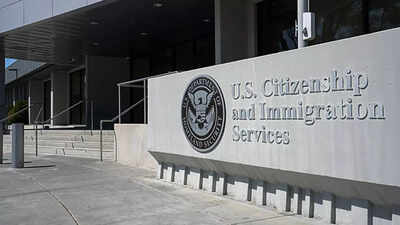
The US Department of Homeland Security (DHS) has clarified the new USCIS signature rule stating that if the immigration authority discovers immigration form has an invalid signature, it may now either reject or deny the application and in some cases keep the filing fee. Earlier, USCIS or the United States Citizenship and Immigration Services usually rejected unsigned forms. But under this updated rule, if the issue is discovered months or years later during adjudication, USCIS officers can deny the visa instead of simply sending it back. The rule applies to any “benefit request” submitted to USCIS on or after July 10, 2026.“The Department of Homeland Security (DHS) is amending its regulations governing the submission of benefit requests to provide that if U.S. Citizenship and Immigration Services (USCIS) accepts a benefit request and determines later that it lacks a valid signature, USCIS may, in its discretion, reject or deny the request. This interim final rule (IFR or rule) will clarify USCIS procedures relating to the rejection or denial of benefit requests that do not meet regulatory requirements to ensure better enforcement of signature requirements,” reads a notice filed in the US Federal Register on May 11, 2026. “This interim final rule is effective on July 10, 2026,” it added.
What USCIS says counts as a valid signature
USCIS says a valid signature is generally:
- A handwritten signature
- A handwritten “X”
- A thumbprint
- A proper electronic signature submitted through official USCIS online filing systems
Scanned or photocopied versions of an original handwritten signature are still allowed.
Do you think applicants should have a chance to correct invalid signatures after submission?
What USCIS says is NOT allowed
USCIS specifically warns against:
- Typewritten names instead of signatures
- Stamped signatures
- Copy-pasted signature images
- Signatures created using signature software
- Someone else signing without proper authority
- Attorneys, preparers or interpreters signing for applicants
Who does USCIS’ new signature law apply to
The new USCIS signature rule is very broad and can affect almost all immigration benefit applicants who file forms with USCIS — not just one visa category. That means the following groups could be affected if their forms contain an invalid signature:
- Employment-based visa applicants
- Family-based Green Card applicants
- H-1B applicants
- L-1 visa applicants
- F-1 student visa-related USCIS filings
- OPT and STEM OPT applicants
- Adjustment of Status applicants (Form I-485)
- Work permit applicants (EAD)
- Asylum applicants
- U visa applicants
- Naturalization and citizenship applicants
- TPS applicants
- DACA-related filings
- Employers filing immigration petitions
The rule specifically mentions forms such as:
- Form I-918 (U visa petition) as an example where delays could become a major issue if a signature problem is discovered years later.
- Form I-129 (used for H-1B and other work visas)
- Form I-140 (employment-based Green Card petitions) in examples involving copied signatures.
Can applicants fix the mistake later
Usually, no. USCIS says there is no automatic “cure” option for invalid signatures because the application was technically not properly filed in the first place.